

L’addio di Cingolani: «Nato difficile da smantellare, ma l’Europa si rafforzi»
di Celestina Dominelli

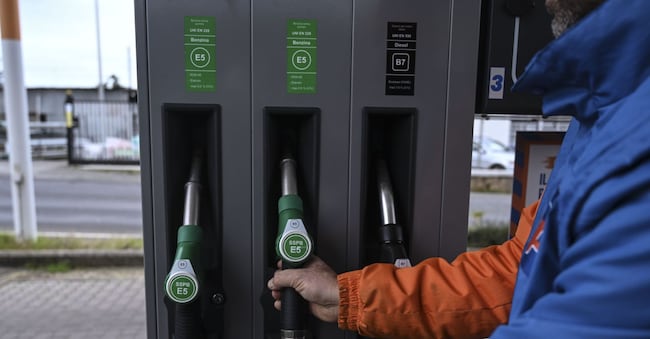
As expected, with the new excise cut decree, fuel prices are going in two opposite directions. Because the government's third intervention, which came into force on 2 May, has extended the discount on diesel but depowered that on petrol. The consequences can already be seen at petrol stations.
In fact, petrol is heading towards two euro per litre. The new cut reduces excise duties by 6.1 cents per litre and the average price, thus, is 1.928 euro per litre, according to the findings of the Ministry of Enterprise. It was 'foreseeable' to arrive at these figures, because with the new rebate the price of green fuel would have risen by 18.3 cents per litre (i.e. the difference between the old and the new excise cut).
The rise, however, may not stop. The situation in the Strait of Hormuz has not yet unblocked and the consequences can be seen in crude oil prices, with North Sea Brent above $110 per barrel and American Wti above $100.
In some areas of Italy, petrol is already close to EUR 1.950 per litre. In the autonomous provinces of Trentino Alto Adige, i.e. Trento and Bolzano, the average has reached 1.945 euro per litre. Slightly lower are Valle d'Aosta (1.944 euro/litre), Calabria (1.940 euro/litre), Friuli Venezia Giulia (1.939 euro/litre), Sicily (1.935 euro/litre) and Puglia (1.935 euro/litre). The cheapest green, on the other hand, is found in Campania (1.906 €/litre), just below Marche (1.907 €/litre).
However, the price lists are not comparable to what motorists have had to face in recent years. There is no need to go back to the end of the winter of 2022, with the outbreak of war in the Ukraine: petrol prices averaged over two euros even in the autumn of 2023, reaching €2.002/litre. On 14 March 2022, however, the average was €2.184/litre.

