Pharmaceuticals, Lombardy first region with 30,000 employees and 12 billion in exports
At the conference at Bayer's Garbagnate Milanese site, which is celebrating its 80th anniversary, the numbers of the Lombardy ecosystem where half of Italy's clinical trials are concentrated were presented
by Cristina Casadei
 Aggiungi Il Sole 24 Ore
ai preferiti su Google
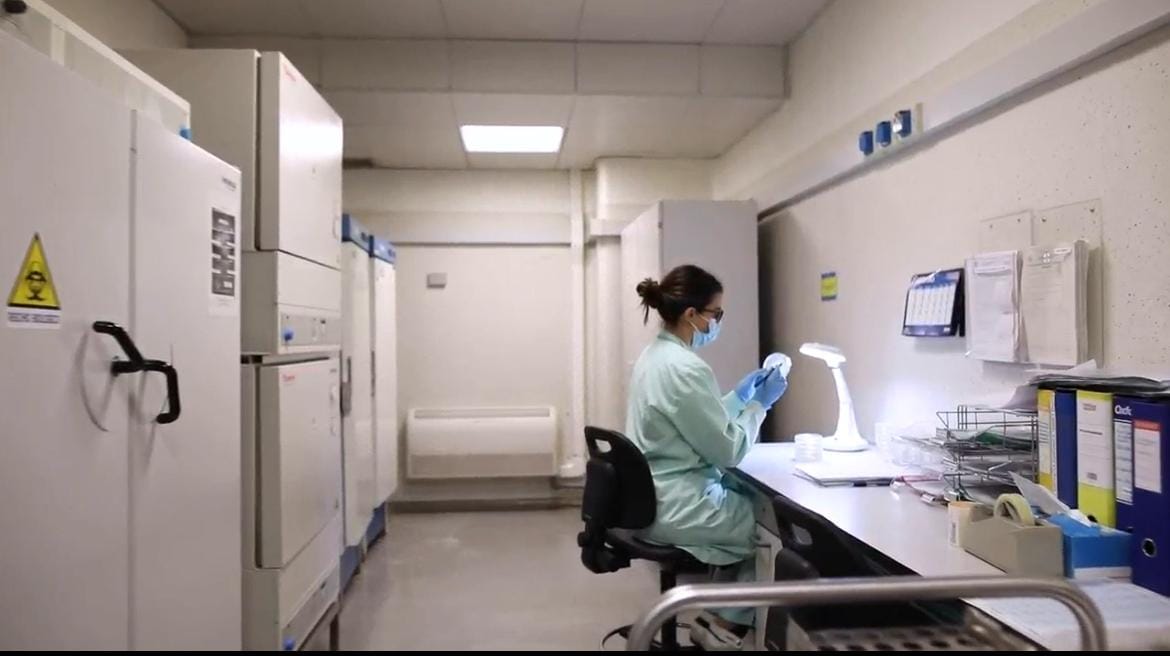
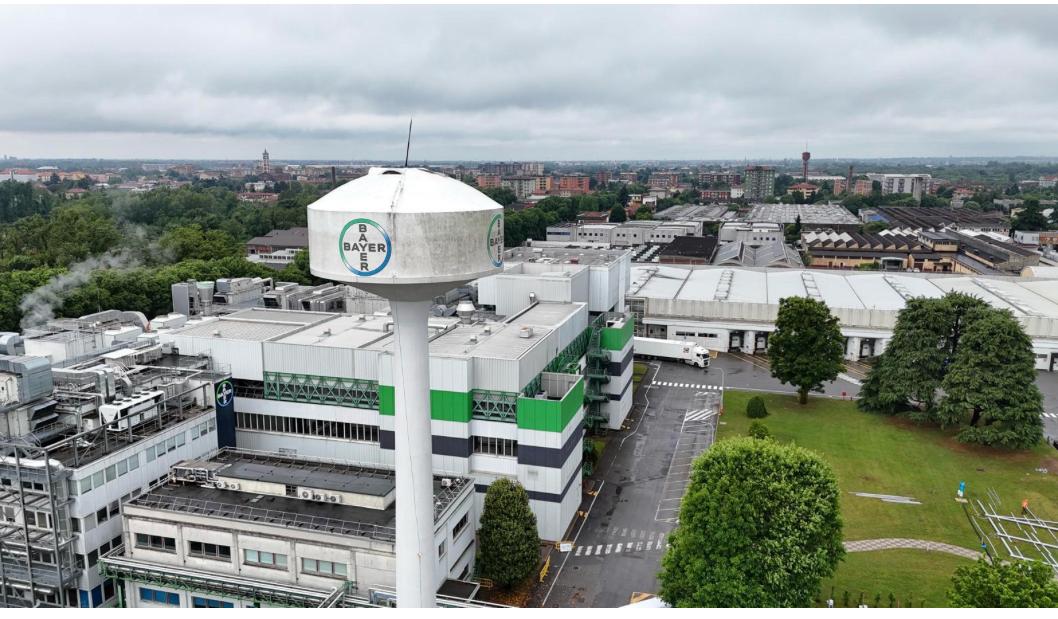
If there is a region in Italy that more than any other, both in Italia and in Europe, represents the pharmaceutical industry in terms of production, innovation and exports, it is Lombardy. The numbers, recounted at the conference Innovation and Production of Value, organised by Farmindustria in the historic Bayer plant in Garbagnate Milanese, which will be 80 years old in 2026, say that there are more than 100 companies in this area, employing 25,300 people directly and another 30,000 in allied industries. With these numbers, the pharmaceutical industry in Lombardy represents about half of the national pharmaceutical industry. And this is true not only for the number of companies and employees, but also for research: it is in Lombardy, in fact, that more than 50% of Italian clinical trials are concentrated, with investments in R&D amounting to EUR 640 million and around 2,500 dedicated employees.
Competitive ecosystem in a complex scenario
As Farmindustria President Marcello Cattani explains, 'Lombardy represents one of the engines of the pharmaceutical industry in Italia and Europe. It is a highly competitive ecosystem, characterised by innovative companies, strong integration between public and private research, and a marked international projection. In an increasingly complex and unstable geopolitical scenario, marked by international tensions, critical supply chains and new challenges represented first and foremost by the US administration's 'Most Favoured Nation' (MFN) executive order, the strategic value of a solid and innovative supply chain becomes even more evident. The principle underlying the MFN, in fact, stipulates that drugs reimbursed in the United States cannot have prices higher than those charged in the states where they are lowest, Italy included, effectively introducing an international alignment mechanism that is contributing to the rethinking of global balances, rewarding the most efficient and resilient systems'. Among other things, this has already had measurable consequences. Indeed, Cattani says that since Mfn, there has been a 35-40% drop in new drug launches in Europe over the last 10 months. At the same time, the United States has attracted over 400 billion in investments in the sector, while in Europe it is increasingly difficult to stimulate multinationals to invest. As for Italia, however, 2026 opened on a positive note, with production growth of 5%, lower than 2025, which was a record year, but encouraging as we wait to see what happens.
For Italia, Cattani adds, 'it is therefore crucial to strengthen the dialogue with institutions and consolidate industrial and health policies capable of supporting innovation, investment, competitiveness and attractiveness. In this perspective, it is essential to overcome mechanisms that are considered to be strongly penalising, such as the payback. Only through a shared vision will it be possible to further enhance the strategic role of the pharmaceutical industry, while guaranteeing economic growth, safety, access to innovation and the protection of public health'. Marcello Gemmato recalls what the government has done to support the pharmaceutical industry, 'the increase in pharmaceutical spending, the 4 decrees on research issued by Minister Schillaci that show the government's closeness to the sector,' for example. Certainly we are at a stage where there is no shortage of critical issues. 'Mfn is one of them and requires proactive and collaborative behaviour'. Among the priorities, also thanks to the Consolidation Act, is the simplification of regulations in a sector that 'over the years has seen the jumble of 800 regulations that today it is increasingly urgent to lighten. This government,' Gemmato adds, 'is lowering direct and indirect taxation to make companies more proactive. This will be discussed in the Testo Unico, currently being debated in Parliament, which will address many critical issues, such as the production of active ingredients, 80% of which are currently produced in India and China and which we must try to bring back to Italia and Europe'.
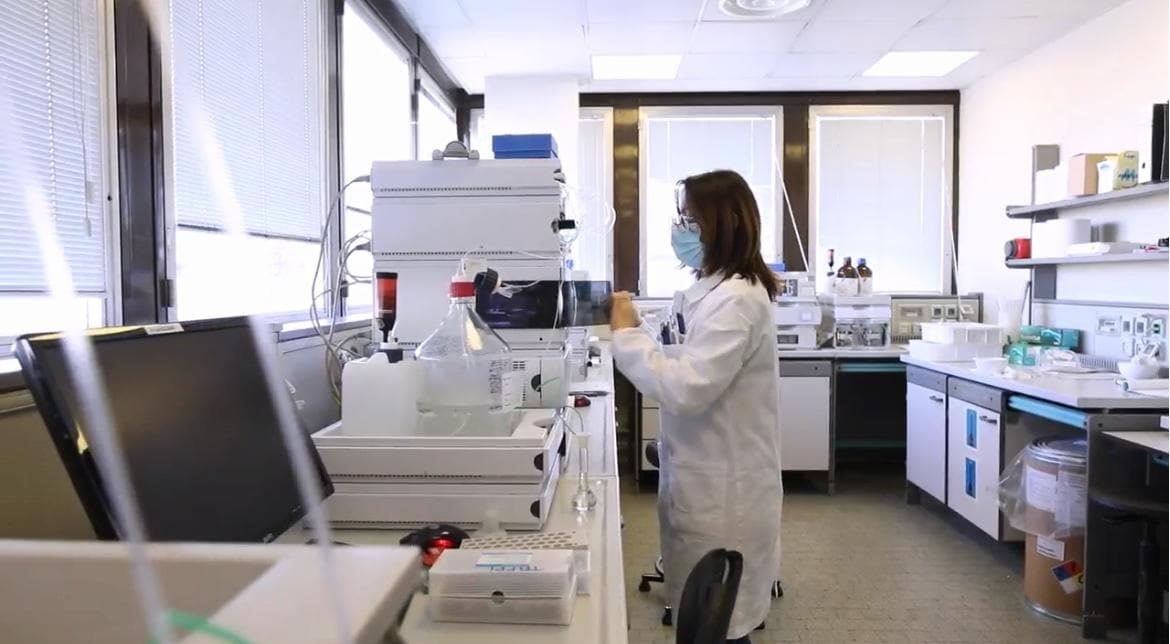
Bayer's 80th birthday
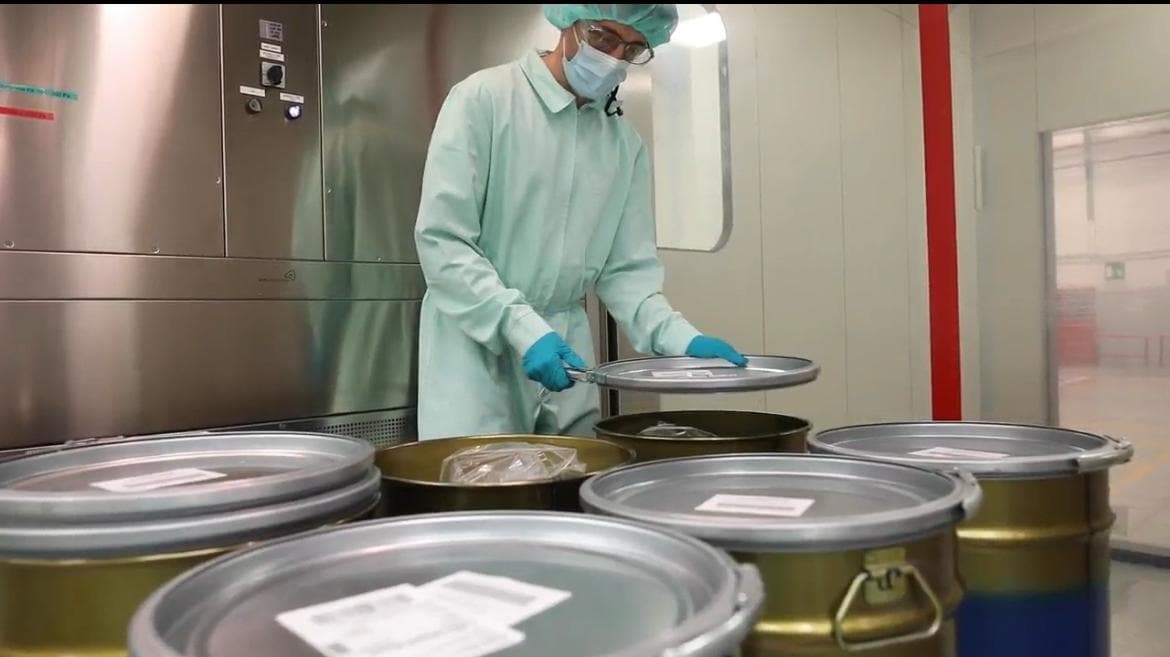
Bayer Italia CEO Arianna Gregis recalls that the company "has been present in Italia for over 125 years: a long history that tells of a deep and lasting bond with our country and confirms its strategic role for the Group. The Garbagnate Milanese site, which proudly celebrates 80 years of activity and represents a concrete example of this deep-rooted presence that makes us internationally competitive, is part of this history. Here, industrial innovation, quality and production capacity give life every day to a plant that operates on a global scale, with an all-Italian heart'. It is precisely in Garbagnate that our most iconic cardiovascular drug is produced: around 70% of production is destined for export, particularly to China, while the rest reaches the European markets, including Italia. But the value of this plant goes beyond Bayer's borders. It is a point of reference for the country system: a strategic logistical hub, a centre of highly qualified industrial expertise and a concrete example of high value-added pharmaceutical manufacturing. A place where tradition and innovation intertwine to generate progress'. In particular, 8 billion pills are produced in Garbagnate, one for every inhabitant of the planet, which are exported to 130 countries and treat 33 million people. This, by the way, is the site where cardioaspirin is produced, 70% of which is destined for China. Looking ahead, Gregis emphasises, 'we need medium to long-term strategic governance, not 6-12 months, but 3, 5, 6, 10 years. The Consolidation Act will be a keystone for us. There are still regulations from 1934 that are outdated. As is also outdated the pay back mechanism, which still has an impact on the competitiveness of the pharmaceutical industry'.
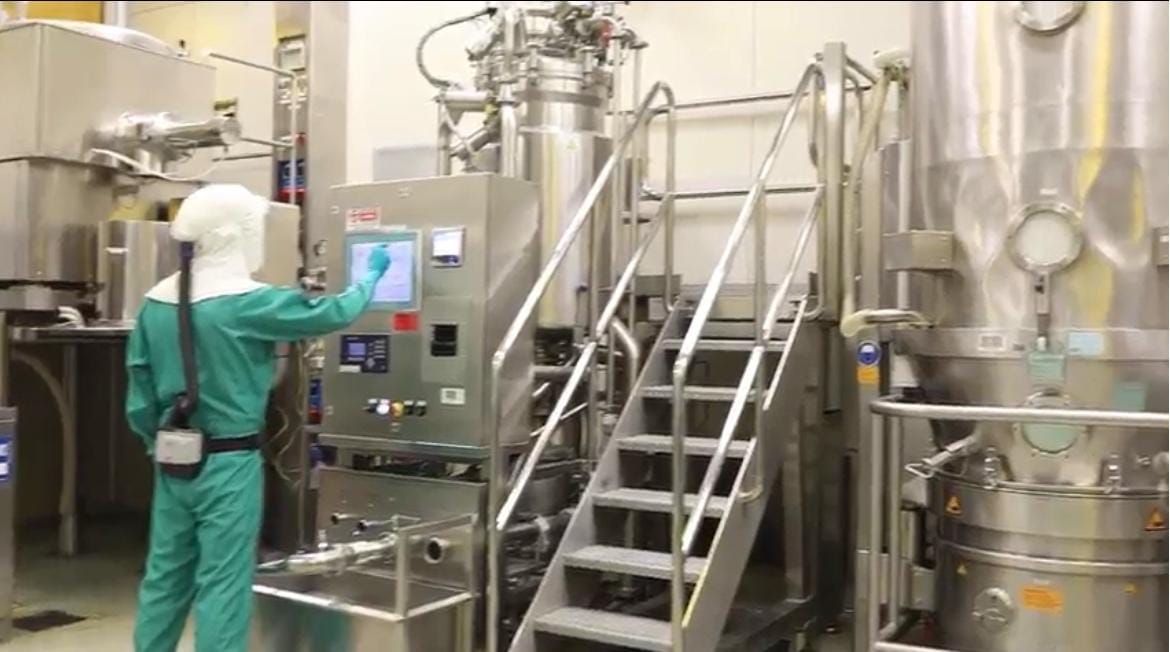
Exports
Export figures confirm the region as a pole of excellence and reference at international level. In 2025, regional pharmaceutical exports reached EUR 11.9 billion, accounting for about 20% of the national total and 46% of regional hi-tech exports. Over the last 10 years, exports have almost tripled (+167%), with growth above the average (+44%) of other manufacturing sectors. Milan, Monza-Brianza, Pavia, Varese, Como, Bergamo and Lodi are among the main Italian provinces for pharmaceutical exports, confirming the central role of the region in the competitiveness of our country.