
Pharmaceuticals, Trump revives tariffs with exceptions and discounts
Up to 100% tariffs on a number of patented drugs and their components, but excluded are companies that have made deals with the US and those from countries (such as the EU) covered by agreements
from our correspondent Marco Valsania
 Aggiungi Il Sole 24 Ore
ai preferiti su Google
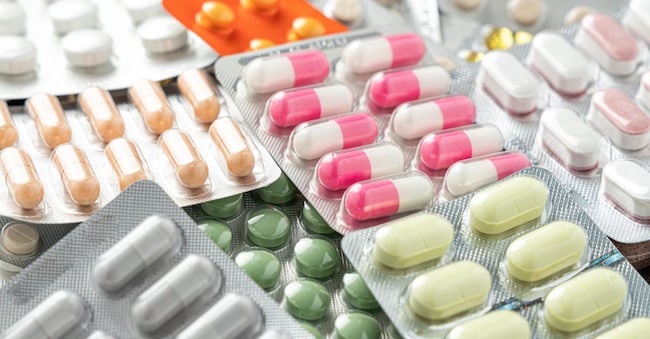
NEW YORK - Fresh from the anniversary of Liberation Day, that 2 April 2025 that heralded the new era of protectionism, the White House is relaunching tariffs on pharmaceuticals. But it does so with broad exemptions and discounts, up to and including the possibility of zeroing, reflecting America First's complex, risky and chaotic trade strategy between offensives and reversals.
On paper the blow is heavy: up to 100 per cent, in four months' time, on a number of imported drugs and their components. However, that diktat only concerns patented medicines and companies that have not come to terms with Donald Trump, to lower prices and invest in the United States by reshoring production. This is not enough: for countries covered by recent trade agreements, such as those of the European Union, the tariffs caps provided for in the understandings will apply at most. The net result, according to analysts, is that the action will be very limited.
However, the administration is making its action the vehicle for an equally strong message: tariffs remain on the agenda, despite the Supreme Court's recent rejection of the aggressive and generalised measures originally announced on Liberation Day, the so-called reciprocal tariffs against partners on the basis of a controversial economic emergency law. On pharmaceuticals, which remained outside the reciprocal tariffs, alternative measures are now triggered on the basis of a more accepted regulation, Section 232 of 1962, after national security investigations and to 'ensure a protected, safe and domestic supply chain'. Section 232 is already used for other crucial sectors such as steel, aluminium and copper.
The tariffs on these metals have themselves been revised in recent hours, with the aim of simplifying the calculation on raw materials and products containing them. The result, according to analysts, will be articulated but overall could raise the effective tariffs at least slightly, raking in an additional 70 billion over ten years. Tariffs on metals, confirmed at 50%, will be applied on the full price paid by importers, to avoid manipulation of values at entry. Finished products with more than 15% metal content (below the threshold they are exempt) will be subject to 25% of the entire product value against the previous 50% on metal content only.
The new pharmaceutical tariffs, in detail, provide for an initial 'tax' reduced to 20% for those planning new production in the US, which could rise to 100% after four years if they do not comply with the plans. Those who have implemented or are successfully negotiating price agreements with the Department of Health in addition to building US plants will be spared altogether. Provided new plants are completed by January 2029.


