
Campi Flegrei: Tigem resumes work in the laboratories following post-earthquake inspections
The research institute specialising in rare genetic diseases had left the former Olivetti site to carry out checks for structural stability following the earthquake in July

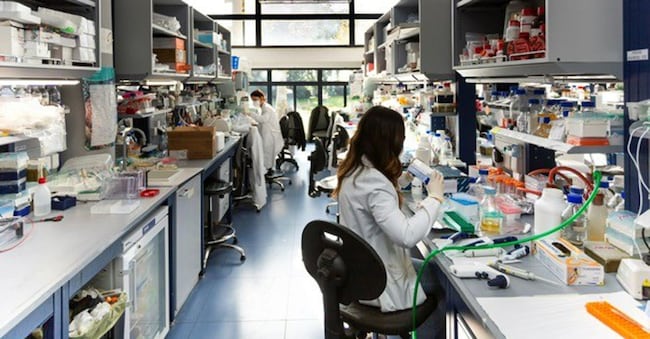
Just over two months after the earthquake on 31 July in the Campi Flegrei, researchers at the Telethon Institute of Genetics and Medicine (Tigem) are gradually returning to the laboratories. The resumption of activities, organised in phases and with restricted access, marks the return to research for one of the leading centres dedicated to the study of rare genetic diseases. Inspections carried out have revealed no structural damage to the building, whilst the work required to fully restore the premises continues.
Founded in 1994, Tigem is now one of the leading international research centres for rare genetic diseases. With 26 research groups and a community of over 280 researchers, it develops new insights and therapeutic strategies through a multidisciplinary approach that integrates genomics, molecular and cellular biology, bioinformatics and artificial intelligence.
Throughout its history, the Institute has established itself as a leading centre in the study of the biological mechanisms underpinning genetic diseases, contributing to the development of innovative gene therapy strategies that have progressed to the clinical trial stage. Since 2016, it has also been coordinating the Telethon Foundation’s Undiagnosed Diseases Programme, which, through a network of 22 paediatric hospitals, has analysed over 1,000 cases and reached more than 500 diagnoses, providing answers to hundreds of families.
Alongside its scientific work, Tigem also plays a central role in training the next generation of researchers, through PhD programmes and postdoctoral courses open to scholars from all over the world.
Over the past few weeks, thanks to the collaboration of DeA Capital Real Estate SGR, the owner of the former Olivetti site on which the institute is located, it has been possible to continue operations. A significant contribution has also come from local institutions and research bodies: the University of Naples Federico II, CEINGE-Advanced Biotechnology, the University of Campania Luigi Vanvitelli and the Scuola Superiore Meridionale have in fact made premises and facilities available to support the continuity of scientific activities.


