
Piero Gobetti, a voice that resonates with the same force today
A hundred years after his death, Paolo Di Paolo recalls the lesson of the young anti-fascist intellectual and the warning not to be apolitical, because otherwise one is an accomplice
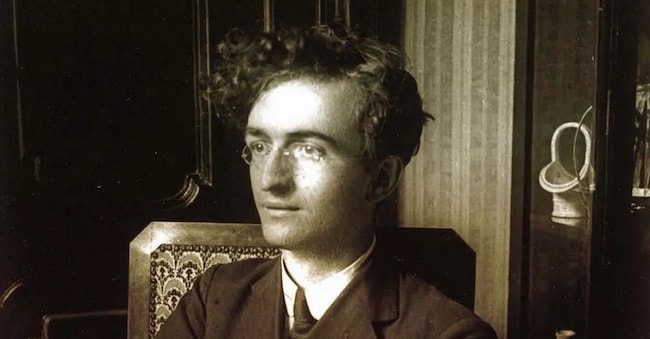
It is not a classic biography, it is not an anthology of commented texts, it is not even a novel nor a reportage in Gobetti's places. So what is it, then, this new tribute by Paolo Di Paolo to the Turinese intellectual?
A New World Every Day is essentially a message to today's politics, to civil society and to anyone who wants to grasp it. It is an invitation not only to listen and be inspired, overcoming the resignation and scepticism of times that seem to leave no glimmer of hope, but also to dialogue with a figure of extraordinary modernity, able to speak today with the same force as then.
Page after page, one enters the flow of energy expended by Gobetti in those seven years that, Bobbio recalls, coincided as in no other existential journey 'with the history of the crisis of the liberal state and the advent and consolidation of the fascist regime': his first article was in November 1918, the last in December 1925. In between, a capacity for study and tireless production that are at one with his intellectual precocity. Combined with a versatility with few equals - magazines, literary and theatre criticism, publishing, art, and of course politics - which, anniversary after anniversary, one does not tire of describing, underlining, exploring.
Di Paolo reconstructs, taking the reader by the hand, the dense world of relations and ties of a personality who soon became a point of reference, in spite of his age (today 'young', in his case, seems even inappropriate in a country where at forty and over one is considered such). We find Carlo Levi and Eugenio Montale, Natalino Sapegno and Giuseppe Prezzolini, then the many authors who nourished the magazines, giving life to that project of a liberal revolution and a new Italia that he had very clear: he counted on realising it with Nine Energies (the name, not by chance, of one of his creatures), spurring everyone to make it available.
And then, of course, there is Ada Prospero. 'There will be, there has been an Ada without Piero. It is difficult to think of a Piero without Ada', writes Di Paolo. The passages recounting their meeting, the affinities and specificities of each, the relationship that grows and that we find in all its fullness in the correspondence are beautiful (thanks again to Ersilia Alessandrone Perona for the love with which she edited it in Nella tua breve esistenza, Einaudi).


