
Piracy and AI: the value of the creative industry is at stake
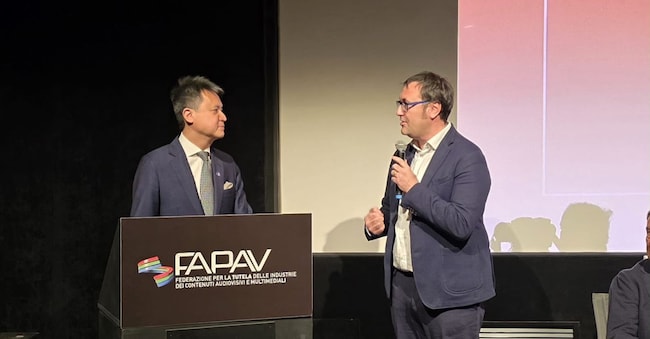
Daren Tang, Director-General of WIPO (World Intellectual Property Organisation), at the Rome Film Festival. Fapav highlights the cost of illegal exploitation to businesses, investment and employment

The film may reach the screen, but its value may end up elsewhere. This is the problem of piracy, which deprives those who produce and work in the audiovisual sector of resources. But it is also the question that artificial intelligence poses to the creative industries: what role remains for the human creator, as technology changes the way images, music and stories are produced? The defence of copyright thus faces two distinct fronts, with a shared economic stake: ensuring that creation remains a remunerated profession.
Daren Tang, Director General of the World Intellectual Property Organisation, highlighted this point during his speech at “Dreamers – Feel the Beat Edition”, the event organised by Fapav as part of the 21st Rome Film Festival. ‘Protecting this creativity means combating piracy, but in the age of artificial intelligence it also means ensuring that the human creator remains at the heart of the intellectual property system.’
The crux of the matter is precisely that reference to human beings. Because behind ‘content’ – a term which, in digital distribution, seems to make everything interchangeable – there are skills, time, capital and business risk. A film must secure funding before it can find an audience. A soundtrack requires work before it can be listened to. The ease with which a work circulates does not negate the cost involved in producing it.
Piracy disrupts this balance. Federico Bagnoli Rossi, president of Fapav, describes it as ‘a massive theft of value that deprives businesses, creators and workers in the entertainment industry of resources, hindering investment and putting jobs at risk’. According to the federation, the damage therefore extends beyond the individual act of illegal viewing: it affects the resources available to fund other works, support professional skills and provide opportunities for those starting out.
Artificial intelligence raises a further issue. The central role of the author – highlighted by Tang, who was awarded the Medal of the Chamber of Deputies – becomes the yardstick by which to measure the evolution of the intellectual property system. His speech points the way forward, without offering any shortcuts to the many issues that need to be resolved: technological transformation must take into account the conditions that enable human creativity to thrive, including economically.


