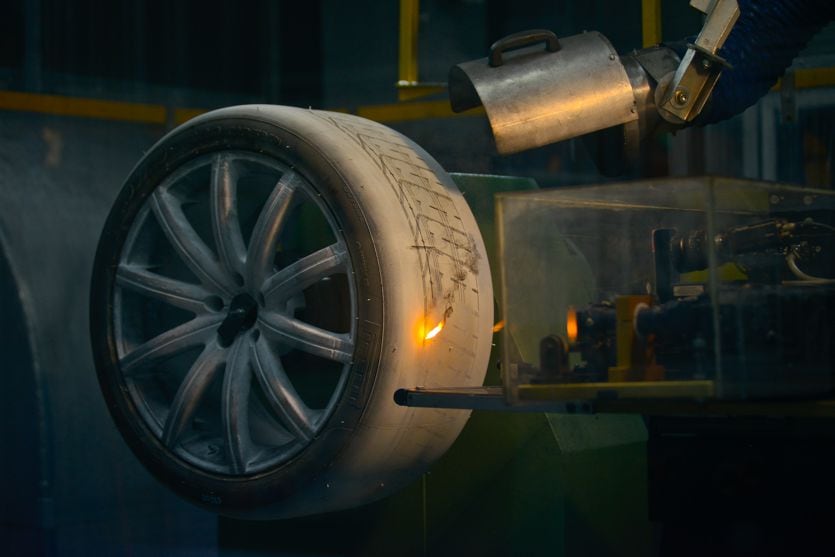
Pirelli: the future of tyres runs on data between artificial intelligence and virtualisation
The Italian manufacturer transforms the tyre into a digital object. Thanks to 'virtual twins', AI applied to the compounds and intelligent sensors that dialogue with the car.

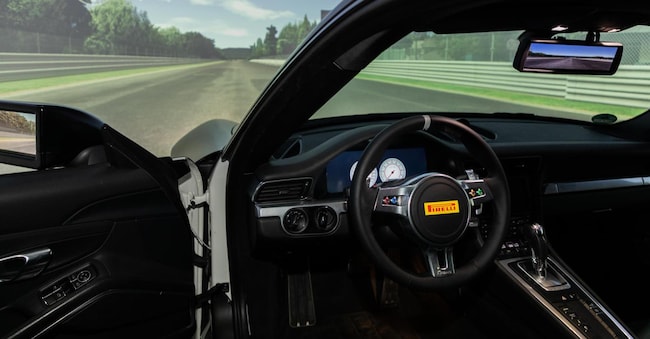
In the automotive sector, innovation no longer only passes through mechanics, but is increasingly moving towards the intangible: data. Pirelli, the only global manufacturer focused exclusively on the consumer segment (cars, motorbikes and bicycles), has embarked on a radical transformation that sees virtualisation and Artificial Intelligence as the beating heart of its high-end strategy.
Over the last ten years, Pirelli's design process has moved from the creation of endless physical prototypes to a completely digital ecosystem. The star of this revolution is the Digital Twin, or digital twin: a highly sophisticated mathematical model that faithfully replicates tyre behaviour.
Digitally designing a tyre is an extreme technical challenge, since you are working on an object that can deform up to 300% and whose performance varies drastically depending on temperature (from 0° to 100°C). Today, Pirelli is able to simulate not only road grip, but also acoustic comfort (NVH) and performance on difficult surfaces such as mud and snow, reducing development time and costs. In this scenario, Formula 1 acts as an accelerated laboratory, transferring virtual technologies from the racetrack to everyday roads.
If virtualisation is well established, the new frontier is called Artificial Intelligence. Pirelli has introduced the Virtual Compounder, a system inspired by the pharmaceutical industry that uses AI to analyse decades of historical data and suggest new combinations of materials. The aim is not to replace humans, but to enhance their capabilities: the result is a tyre developed with AI and 'not by AI'.
The benefits are concrete: thanks to the analysis of micro-slips in the tread, the specific wear of new products has been reduced by an average of 20 per cent. Production also benefits from this breakthrough, with algorithms supporting the team at the Digital Solution Centre in Bari in optimising the planning of complex production processes.