
Pistachio Day, consumption in Italia runs but 88% comes from abroad
From domestic consumption of the shelled and roasted variety (worth 120 million in Italia alone) to that in artisanal sweets and industrial products (spreads and snacks in the lead), the world market is worth USD 5.5 billion and growing by 5% per year

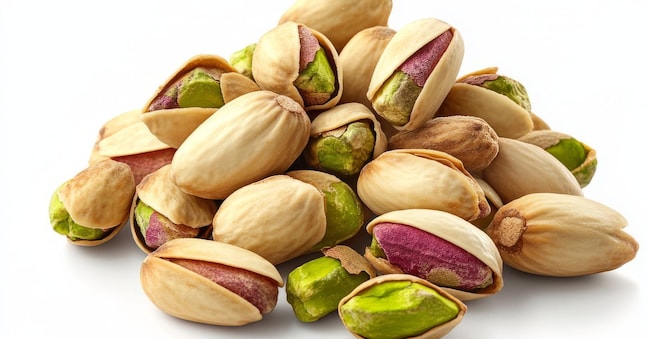
Consumption at full throttle, demand from processors accelerating, supply with the handbrake pulled: the 2026 edition of Pistachio Day, celebrated today 26 February, captures a particularly dynamic global market. For some years now, pistachio has been one of the agricultural commodities with the greatest boom in demand and forecasts indicate that this is only the beginning.
According to a report by Mordor Intelligence, the global pistachio market will grow from the current $5.49 billion (€4.6 billion) to $7.02 billion by 2031, with a CAGR of 5%. Several factors are driving this worldwide growth: the strong demand for plant-based proteins and plant-based products, the rise of snacks and bars in the healthy world and sports nutrition, and the success of pistachios in the confectionary world, where they are increasingly used in a wide variety of preparations. That pistachio agrees with everyone and everywhere is confirmed by the case of the Dubai Chocolate, which has conquered half the world, from North America (first market by value) to the Asia-Pacific region, the fastest growing area in terms of demand for pistachios, especially in China and India.
These global trends have not only driven the demand for pistachios but also moved it to the premium end of the market. Organic, flavoured and single-origin productions are experiencing an increase in demand and are achieving significant price premiums above the already substantial ones for the standard product, which has seen its prices rise by an average of 30-35% in one year (source: Areté).
Change production geography
No wonder, then, that pistachio cultivation has attracted the interest of so many producers, leading to an increase in the area cultivated especially in semi-arid areas, such as Argentina and Australia.
In 2025 unforeseen frosts reduced the harvest in Turkey by 70% and penalised the harvest in Iran, putting two of the world's largest producers in difficulty. By contrast, the undisputed leader, the United States (and California in particular), is benefiting from a very abundant harvest (+44% compared to the previous campaign) and 75% of which is destined for export. But, in defiance of the law of the market, instead of falling, prices are rising in double figures and continue to touch new records, having exceeded USD 9,000 per tonne.

