
Pitti Filati, research as an antidote to the crisis
The current fair in Florence opens with concerns for the near future, which is addressed by continuing to invest in quality and innovation
2' min read
2' min read
The 97th edition of Pitti Filati, held until Thursday 3 July in Florence, projects us into autumn-winter 2026-2027, because spinning and weaving are a season ahead of clothing (the men's collections for spring-summer 2026 have just been shown in Milan and Paris).
The data published on the eve of the fair are therefore worrying in themselves, with turnover for 2024 falling by 9.8% to 2.6 billion, a far worse trend than the preliminary estimate in February, during the winter edition of Pitti Filati, in which the drop for 2024 was forecast at 6.2%. But concern also comes from the "anticipatory" value of the upstream sectors of the textile-fashion-accessories chain, and it will be interesting to analyse the data that will be released next week, during Milano Unica, the great textile fair scheduled from 8 to 10 July.
However, companies are reacting, as demonstrated by the numbers of Pitti Filati, with 130 exhibitors, 25 of which from abroad. Linked to the collaboration with the Ministry of Foreign Affairs and the Ice Agency is also the arrival of many buyers from abroad, as confirmed by Agostino Poletto, general director of Pitti Immagine, the company that organises the Florentine shows: "The collaboration with the institutions allows us to continue to invest precious resources in bringing the community of the most influential buyers of men's fashion and lifestyle to Florence and in inviting buyers from emerging markets".
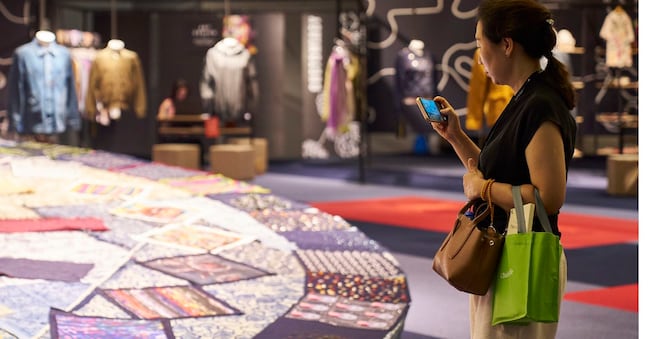
More and more space for research, the only way to continue to stand out in the world, to counter the slowdown and to be ready when the upturn arrives. Tomorrow's trends in knitting yarns are told in the new Research Area, alongside the proposals of the special sections Knitclub and CustomEasy: the latter, curated by Maurizio Brocchetto, intercepts an emerging need of manufacturers and end customers, customisation. In addition to textile machines and the preciousness of washing applied to high-end knitwear, the section hosts the other segments of the creative process: embroidery, finishing, design software.


