
Pitti Uomo kicks off, compass for the fashion of 2026
Over 750 menswear and accessories brands, 13,000 buyers expected and sections dedicated to talent and companies from Spain and Asia. Italian menswear to drop by 2.1% in 2025

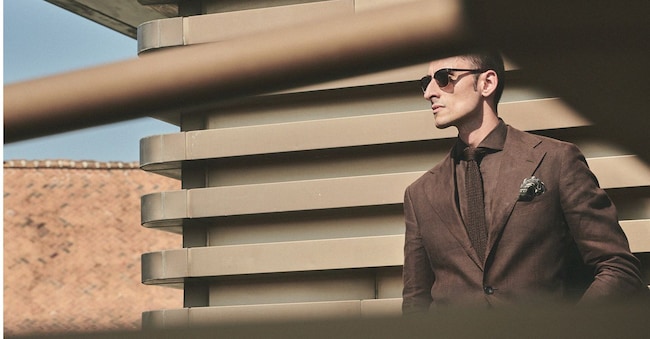
Traditionally, trade fairs at the beginning of the year have always been those that give the pulse of the market, gauge the mood of operators, indicate signs of recovery or stagnation. For some time now, this mission has become more complicated, at least for the fashion industry which, since the second half of 2023, has begun to experience slowdowns and braking, linked to various factors including international crises and changing consumer habits.
The difficulty in predicting the market also applies to the Pitti Uomo, the world's most important men's fashion fair that opens today (until Friday 16) at the Fortezza da Basso in Florence with 750 brands presenting their collections for autumn-winter 2026-2027, 47% of them foreign.
"We are in a phase of undoubted transformation," says Raffaello Napoleone, managing director of the organising company Pitti Immagine, emphasising, however, that this is precisely why coming to Florence serves to seize "concrete opportunities" that arise from the work of interweaving supply and demand done by the exhibition team through research, travel and connections. The presence of qualified buyers is now considered more important than the attendance figures.
At the moment, 2026 promises to be a year characterised by instability on international markets and weakness in domestic consumption, like the one just ended that marked a slowdown for the Italian fashion industry. In particular, the men's fashion industry (tailoring, knitwear, shirts, ties, leatherwear) in 2025 saw a drop in turnover of 2.1% compared to 2024, positioning itself under EUR 11.2 billion (Confindustria Moda estimates for Pitti Uomo).
The downturn affected both exports and the domestic market. Exports, which in men's fashion absorb 77% of revenues, posted -2%, driven downwards by Germany (-3.5% in the first nine months) and, above all, by China (-16.7% in the first nine months), which remains the fourth outlet country after France, Germany and the United States. The USA is the real surprise, because it has continued to buy Italian men's fashion (+4% in value in the first nine months) despite the entry into force of the tariffs decided by President Trump, which, so far, have had less repercussions than expected. On the product front, the only one growing on foreign markets was leather clothing (+8.4%).

