
Politecnico di Milano first Italian university ranked 45th in QS 2026, Bologna 59th
The Milanese university dropped to 45th place. Three other Italians in the top 100: Bologna in 59th place, Roma Sapienza and Padua

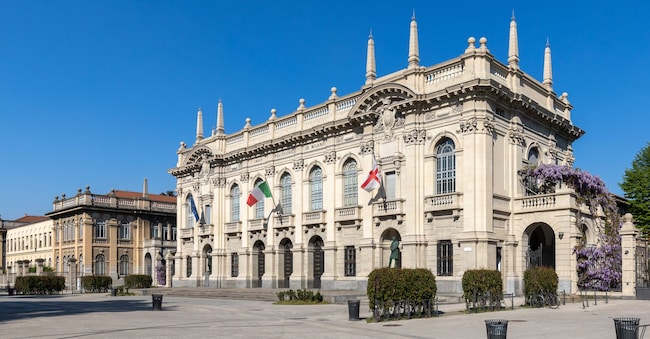
Lights and shadows for Italian universities, especially when compared to the rest of the Old Continent. These are what emerge from the QS World University Rankings: Europe 2026. On the one hand, our country sees its rankings increase by 25% to the point of reaching fourth place for presence in the ranking drawn up by the global education experts QS Quacquarelli Symonds, behind the United Kingdom, Turkey and Germany; on the other hand, to find the first Italian university we have to go down to 45th place occupied by the Politecnico di Milano, which, however, loses seven positions compared to 2025. Behind it, among the top 100, the Alma Mater of Bologna, which goes from 48th to 59th place; then Roma Sapienza (77th) and Padova (92nd). Noteworthy instead is the entry of Tor Vergata among the top 150 thanks to a climb of 17 positions.
Strengths and Weaknesses
Of the 65 Italian universities surveyed, 51 were already present in the previous edition. Of these, 14 go up in the rankings while 35 go down and two remain stable. In fact, our country records a net rate of decline of 41%, the fourth highest in Europe among countries with 10 or more ranked academic institutions, behind Slovakia, Ukraine and France.
Turning to the 14 new faces in the QS World University Rankings: Europe 2026, two place in the top 500. These are the universities of Cagliari (482nd) and Cassino and Southern Lazio (491st).
The University of Catania is the Italian institute with the most significant improvement, climbing 56 places to 301st place. It also does better than Genova, which climbs 20 rungs and becomes 204th.
QS analysis
The QS ranking is also interesting because it shows how well we hold up in certain areas that we know. First and foremost, research, understood as articles published per researcher. As many as 11 of our universities are among the top 50. But only one, the Vita-Salute San Raffaele University, is among the top ten. Precisely in third place.
Brand connect


Newsletter Scuola+
La newsletter premium dedicata al mondo della scuola con approfondimenti normativi, analisi e guide operative
Abbonati