
Offences against politicians cleared, for the man-social, strong tones are the rule
The threshold of a criminal insult is raised considerably when a politician is targeted.

2' min read
Key points
2' min read
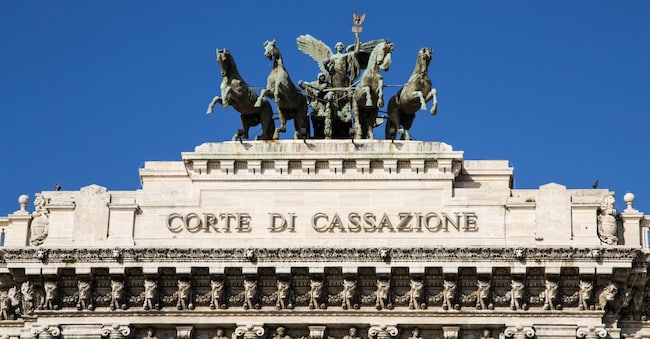
Bugger, lazy, mama's boy, cheater towards his voters, more dedicated to champagne and toasts than anything else. These are the appraisals made by a former mayor to the incumbent first citizen, a party opponent, that had cost the former administrator a conviction for aggravated defamation in first and second instance. A verdict on which the Cassation definitively passed with the formula <because the fact does not constitute a crime>. What had ended up on the judges' table was an interview made by a journalist, considered in the merit phases to be co-responsible for the crime - published on a Facebook profile - in which the defendant had accused the exponent of the opposing party, at the head of the municipality, of having used the money from the tax increase instead of for the most needy, as promised in the election campaign, to increase the municipal administrators' allowance by 5%, obviously including his own. What the Supreme Court considers to be political criticism, was made in such a strong manner that it was branded by the Court of Appeal as humiliating and gravely infamous.
The truth of the matter
.His opponent was accused of being a cheat, liar, incompetent, slacker and mama's boy. A 'maintained' mayor who lived off more than 2,000 euro at the municipality's expense, without managing any problems. Also on the list of faults was a dedication to champagne. The ermines admit that the considerations are offensive, but everything must be put into perspective, in the face of the truth of the triggering fact, the increase in the allowance put in place thanks to higher taxes despite the promise to use that money for a purpose that is certainly socially more important, such as helping the city's poorest. What weighs most heavily is the changed sensitivity of public opinion in perceiving the insults aimed at politicians. The harsh tones have now been cleared through customs. Harshness as well as colourful expressions, which can in some cases even have the appearance of a personal attack, are not a crime, but are often the essence of political criticism, of 'impact' for citizens, especially when at the centre of this is blameworthy conduct on the part of public administrators. These considerations apply all the more when the politician is targeted on social media. A channel where it is frequent <the use of strong expressions in key of immediate and unthoughtful critical commentary>. The Supreme Court then recalls that the Strasbourg judges, in the name of the free manifestation of thought, have raised the bar of permissibility very high, when the object of the criticism is a politician and the topic is of public interest.
Criminalisation is only triggered when the offending phrases are immediately perceived as outrageous according to the sensibilities of the average man. By now much changed.

