
Popolare di Bari, former top management sentenced to pay 122 million for the bankruptcy
For the Court of Bari 'information distortions', 'concealment of data' and 'pathological practices' 'in violation of the Bank's own regulations'
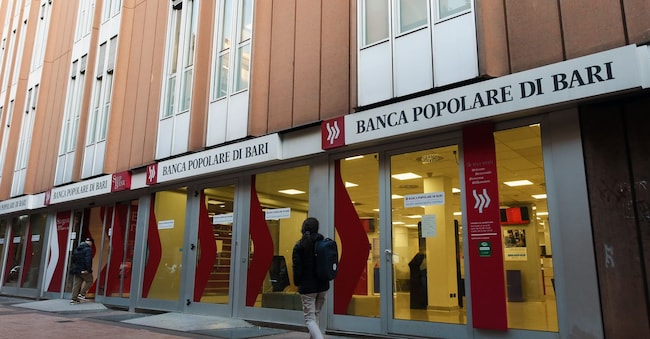
The bill for the collapse has arrived. Bari's civil court has condemned the top management of the then Banca popolare di Bari (now BdM) - Marco Jacobini, former president; his son Gianluca, former deputy general manager - together with 11 other former directors, three former statutory auditors and the auditing firm PricewaterhouseCoopers (PwC), to pay around EUR 122 million because they are held responsible for the management that led to the bank's collapse. According to reports in the newspapers Gazzetta del Mezzogiorno, Corriere del Mezzogiorno and Repubblica, the two Jacobinis may be liable for a sum of up to EUR 109 million. Also sentenced to pay is former CEO Giorgio Papa.
Group disruption
The core of the compensation concerns the operation linked to the Maiora Group, which was exposed with the bank for 160 million, due to the exclusive responsibility - according to the court - of Jacobini and the CEO Papa, who were never countered by the "weak initiative of the new board" of directors appointed after the 2018 inspection. A "long-lasting" relationship, the one with Maiora, in which the three top executives of the bank are responsible - according to press reports - for "information distortions and the concealment of data" from the non-executive directors, "due to the pathological practices with which in practice acted, in violation of the Bank's own regulations, the members of the Credit Committee, coordinated by Gianluca Jacobini, with the presence of Marco Jacobini and with the fully conscious consent of the managing director Giorgio Papa". According to the judges, the ruinous financial situation that emerged with the extraordinary administration in 2019 was the result of imprudent practices in the granting of credit facilities and accounting techniques aimed at masking the real riskiness of the exposures.
Loading...
Copyright reserved ©


Brand connect
Loading...
