Porsche -42% in the first quarter in China: Western luxury loses out
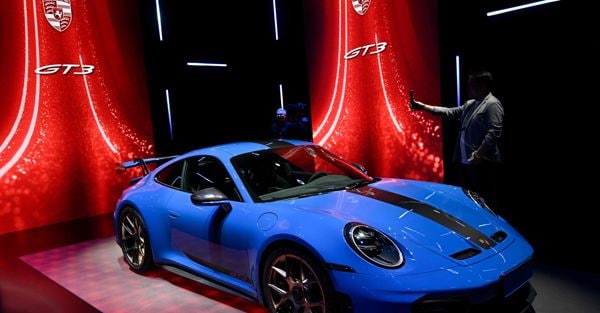
The Stuttgart-based manufacturer unveiled a new version of the 911 GT3 at the Shanghai Motor Show. In 2025 it focuses on a more flexible product portfolio, reorganisation of the sales network, more digitalisation and tailor-made services for the Chinese customer

2' min read
2' min read
'Porsche is doomed in China,' the founder of the consultancy Sino Auto Insights told Reuters. A sentence that sounds like an epitaph. In the first quarter of 2025, sales of the German sports and luxury car brand in the Middle Kingdom plummeted 42 per cent to 9,471 units. In 2024, Porsche had recorded a 28% drop in sales in China. Deliveries dropped from 79,283 units in 2023 to 56,887. In the meantime, the stock market took note and, as a result of Donald Trump's edicts on duties (Porsche does not produce in the US), the share price lost 20% this year. Almost 50% in the last twelve months.
A collapse that marks a turning point for a brand that once dominated its most promising market. China, which accounted for almost a third of the Stuttgart-based manufacturer's global sales in 2021, has turned into treacherous terrain for all Western luxury brands. Porsche's thud is only the tip of the iceberg: Mercedes-Benz and BMW are also facing the storm.
Behind this setback are multiple factors. The local market is more competitive than ever, with giants such as BYD and Xiaomi offering premium electrics at much more affordable prices. In addition, the focus has shifted to cutting-edge technology and connectivity. And the new generation of customers is no longer willing to be won over by the roar of engines alone.
In response, Porsche has gone for the nostalgia effect: at the Shanghai Motor Show it unveiled a new version of the 911 GT3 and a 70s-style limited edition. Suggestive moves, certainly, but they appear more like celebrations of the past than concrete responses to the present.
CEO Oliver Blume announced for 2026 an infotainment system designed exclusively for the Chinese market, in an attempt to better suit local tastes. However, the brand's strategy remains firmly anchored in value logic, with a focus on customisation and exclusivity.