
Porsche, how batteries for high-performance electric cars are created
We went to Weissach, where the batteries for Taycan, Macan and future electric models are designed.
5' min read
Key points
5' min read
Weissach represents the 'Mecca' for every Porsche enthusiast. Located about 25 kilometres from Stuttgart, the future of the German brand is born here. Not only sports models but also batteries and electric car applications, as we were able to discover live as we entered the 'top secret' rooms where the Zuffenhausen manufacturer's innovations are born and developed.
Porsche, battery development
.
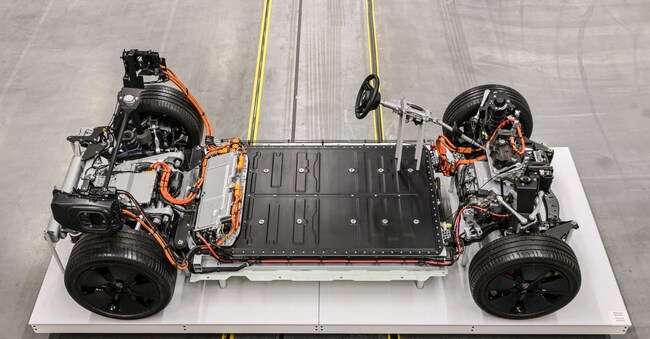
Before a newly developed traction battery is installed in a Porsche, it must pass a series of demanding endurance tests. In addition to extensive road tests, the high-voltage battery and all associated components must undergo special testing procedures on a so-called high-voltage battery system test stand, without failure. "Porsche is one of the first manufacturers in the world to test the high-voltage battery using an integrated system approach. All relevant components are tested together on a test bench. This decision was already taken during the development phase of the first Phev models more than ten years ago. With this integrated approach, we not only save time and money, but above all we obtain reliable and reproducible results in terms of all functions and failures, e.g. in extreme heat or cold. This helps us enormously in our development process. We have always been pioneers here in Weissach and we are still pioneers today in the electric drive,' says Otmar Bitsche, Senior Consultant for Battery Development. Meanwhile, Porsche operates three of these test benches at the development site in Weissach. Here, test bench engineers and their colleagues from battery development collaborate on battery and traction stress tests. The tests on the test benches complement the extensive road tests of the vehicles. The results of both test procedures are directly integrated into the development. The result: a reliable and safe product for our customers under all conditions. On the test benches, the entire drive train of a two- or four-wheel drive electric vehicle can be assembled. Power ratings of up to 250 kW per wheel can be measured or applied. For charging tests, up to 350 kW of charging power is available.

