
Poste increases the number of ATMs: it opened a further 431 in the first six months
The group is expanding its presence across the country, bringing the number of Postamat machines to 9,668

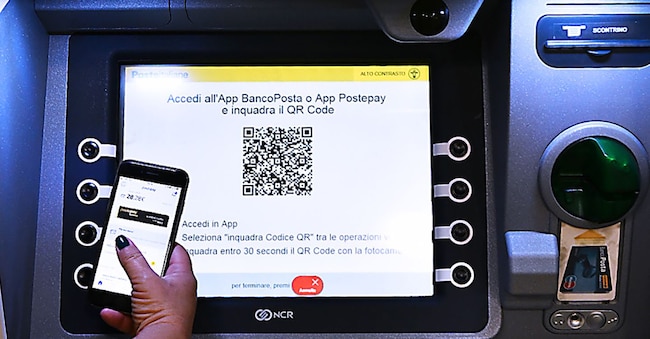
In the first six months of 2026, Poste Italiane expanded its physical presence by installing 431 new Postamat ATMs. These latest installations bring the total number of ATMs across the country to 9,668. Since 2018, the number of Postamat ATMs has increased by 2,386. This represents growth of nearly 33 per cent and means that there are now five regions in which the number of Poste Italiane ATMs exceeds that of the entire banking system: Abruzzo, Basilicata, Calabria, Molise and Valle d’Aosta.
From checking balances and transaction history to topping up mobile phones and Postepay cards, from paying utility bills to withdrawing cash even without the physical card to hand using the Poste Italiane app, the machines installed by the Group led by CEO Matteo Del Fante and General Manager Giuseppe Lasco are a genuine 24-hour access point, offering the ability to carry out a wide range of transactions. Furthermore, to deter theft attempts, the machines are equipped with anti-skimming systems to prevent card cloning and mechanisms to stain banknotes.
Poste Italiane’s decision runs counter to the trend in the banking sector. A press release from the group points out that, according to the Bank of Italy’s latest survey on the payment system, the number of ATMs operated by credit institutions has fallen from over 40,000 in 2018 to just over 36,000 in 2025. Poste Italiane also highlights that, during the same period (2018–2025), banks closed almost a quarter of their branches, whilst Poste Italiane has kept its network virtually stable in order to ensure widespread coverage of financial, postal and public administration services.
The widespread coverage of the service is further strengthened by the Polis Project, which involves nearly 7,000 post offices in municipalities with fewer than 15,000 inhabitants: the aim of the project, funded to the tune of 800 million from the supplementary plan to the PNRR and by over 400 million from Poste Italiane, is to transform them into outposts of the public administration.

