Search

Lodi: the boost from agribusiness

Added value has risen by almost 60 per cent since 2019. Biffi: “Now let’s press ahead with digital transformation.”

4' min read

Translated by AI
Versione italiana

4' min read

Translated by AI
Versione italiana

A stable economy, which is being affected by a sharp fall in sales on foreign markets, weak growth in the services sector and a negative contribution from the construction sector.

Assolombarda has painted a mixed picture of light and shade for the province of Lodi, an area which, in 2025, saw manufacturing output grow by 5.5 per cent but exports fall by more than four percentage points.

Loading...

Since the early months of 2026, the outbreak and consequences of the new war in the Middle East between the US and Iran have considerably increased uncertainty regarding the course of the global economic cycle; new frictions have arisen along supply chains, and the prices of many commodities have been driven up.

Between January and March 2026, there was a downturn in manufacturing output (-3.7% year-on-year, bucking the regional trend of +2.4%), and sales on international markets also fell significantly by 21.6%, almost exclusively due to the slump in the electronics sector (even excluding this sector, however, the provincial figure would still be negative, at -1.2%). Taking the international context into account, the forecast for 2026 is for growth of 0.4%.

On the labour market front, against a backdrop of largely stagnant economic conditions, the number of people in employment in 2025 rose by around 2,000 compared with 2024, accompanied by a decrease of around 1,000 in the number of unemployed and a similar fall in the number of economically inactive people. The employment rate thus reached 66.7 per cent and the unemployment rate fell further to 2.0 per cent: only Bergamo in Lombardy has a lower rate (1.3 per cent).

Lodi is also the second-best-performing province in Lombardy in terms of unemployment among 15–34-year-olds, with a rate that has fallen further over the past year to 3.2 per cent, but when looking specifically at the 15–24 age group, a recent rise to 10.8% has caused the province to drop down the rankings, falling to eighth place amongst the twelve provinces in Lombardy (the regional average is 10.9%).

Lodi, in particular, faces a serious risk of squandering the potential of its young people: with nearly 5,000 young people aged between 15 and 29 classified as NEETs (not in education, employment or training) in 2024, the proportion of the total target population stands at 13.8 per cent, placing the province in first place in Lombardy and not far off the national figure (15.2 per cent).

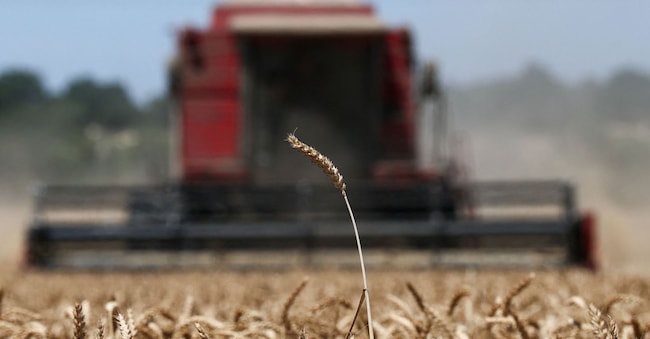
Assolombarda’s analysis focuses on one of the region’s strengths, namely agribusiness, which is significant in economic terms and characterised by solid growth momentum.

 Its central role stems from the deep-rooted historical presence of agricultural activities and an integrated entrepreneurial ecosystem that spans the entire value chain: from crop and livestock production, through the supply of machinery and technology, to industrial processing, trade and specialised services. These economic activities are complemented by the players in a knowledge system highly specialised in agri-food issues, for which Lodi is one of the main hubs in Lombardy, thanks to the presence of a dedicated university campus, research centres and ITS campuses.

A sector comprising over a thousand businesses and nearly 7,000 employees, generating added value of 744 million euros, accounting for almost 10 per cent of the province’s GDP.

The most significant sector is industrial processing, which, with 43 limited companies and 2,500 employees, generates €359 million in value added and accounts for 4.6 per cent of the province’s GDP. This is followed by the agricultural sector, with 938 businesses, 2,900 employees and €283 million in added value (3.6% of the provincial GDP).

In terms of medium-term trends, the sector has shown a decidedly positive trajectory. Over the period 2019–2024, growth in value added reached almost 60 per cent, driven in particular by the food processing sector.

This sector demonstrates a strong ability to establish itself on international markets: in 2025, the food industry exported 662 million euros (+45% compared with 2019), the crop protection sector 74 million (+73.7%), the agricultural sector 4 million (+207%), and agricultural machinery 16 million (though this represented an increase of only +7.4% compared with 2019).

“In the Lodi area,” comments Alvise Biffi, President of Assolombarda, “tradition and innovation reinforce one another. The growth of the agribusiness sector demonstrates companies’ ability to create value, but to consolidate this trajectory, we need to accelerate digital transformation, invest in artificial intelligence and develop the skills required to manage change. Today, competitiveness is increasingly measured by the ability to use data and new technologies to make processes more efficient, sustainable and productive. It is precisely with this aim in mind that Assolombarda has promoted forgIA, an ecosystem that supports businesses in the practical adoption of artificial intelligence. This potential can also translate into opportunities for the Lodi area, provided we continue to invest in people, skills and collaboration between businesses, the research sector and institutions. It is through this alliance that the region’s ability to attract talent and investment is realised, generating innovation and building lasting growth.”

«‘The dynamism of the Lodi area is confirmed by figures from the agribusiness sector, which between 2019 and 2024 managed to increase its added value by over 57 per cent,’ said Fulvio Pandini, President of Assolombarda’s Lodi branch- “To safeguard this distinctive excellence of ours, which is inextricably linked to the land, the strategic challenge today lies both in implementing digital infrastructure capable of supporting business competitiveness and in accelerating urban regeneration. Revitalising old, disused industrial sites is, in fact, a way to limit the consumption of new land without disrupting the balance of the local area and, at the same time, to attract major international investment. At the same time, helping businesses to understand their level of digital maturity can assist them in raising awareness of how innovation – and, in particular, digital innovation – can support their development and growth.”

Copyright reserved ©
Loading...

Brand connect

Loading...

Newsletter

Notizie e approfondimenti sugli avvenimenti politici, economici e finanziari.

Iscriviti