Precision to the millimetre: diagnostic technologies for skin health
3D analysis, X-rays, augmented reality, proteomic studies, algorithms. Increasingly sophisticated devices and programmes are spreading to identify where to intervene on epidermal imperfections.
by Laura Belli
3' min read
3' min read
From skin analysis (even remotely) to virtual try-on simulators and new beauty devices, hi-tech makes care more personalised, high-performance and intuitive, and also improves the performance of cosmetics.
Looking at skin two-dimensionally on a flat surface is a thing of the past. Led by the well-known researcher Tomonobu Ezure, the Shiseido team over the years created a technology for 3D analysis and later, by combining the use of X-rays and artificial intelligence, came to develop 4D-digital skin, which makes it possible to visualise the dynamics of skin slackening and, consequently, create more effective antidotes.
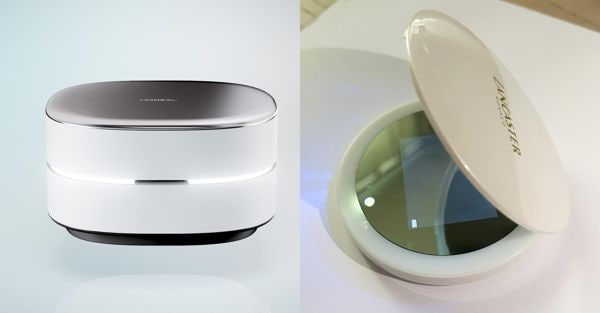
Even more recent is the presentation of L'Oréal Cell BioPrint at the CES 2025: a predictive device that makes use of advanced proteomics (the study of how the body's protein composition affects skin ageing): with a test lasting just a few minutes, it is able to see far into the future and establish the skin's ageing trajectory. This instrument, whose pilot launch in Asia is planned for the end of 2025, can calculate the biological age of tissues, determine whether certain cosmetic actives will prove useful or not, whether we are predisposed to the appearance of dark spots or enlarged pores.

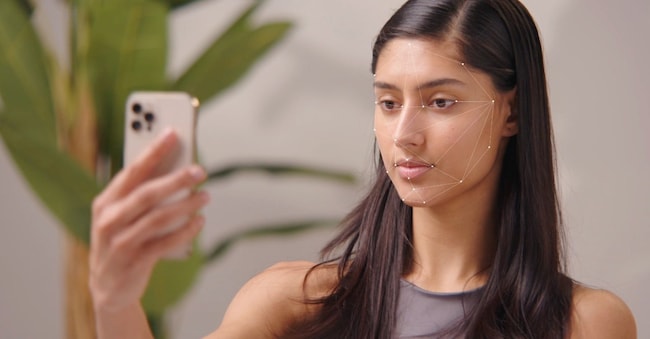
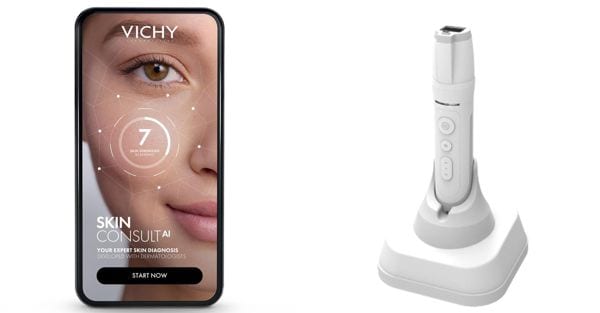
It took fifteen years of dermocosmetic research with augmented reality and artificial intelligence for the development of SkinConsult AI by Vichy Laboratoires. At the heart of the system is a comparative algorithm that classifies facial features and compares them with a database of 10,000 images to detect the severity of the seven main markers of ageing. By scanning the Qr code on the site with a mobile device, you can upload or take a photo of your face (without make-up and glasses), find out the level of the mildest and the two most severe markers and then be advised with targeted skincare.
Since 2009, Lancôme too has invested in implementing diagnostic technologies, culminating in e-Skin Expert: a mobile-only tool using AI-powered Modiface technology. With a database of 40,000 images of skin types and parameters for analysing skin conditions (texture, luminosity, pigmentation, firmness, wrinkles, age signs around the eyes, bags and dark circles, crow's feet and expression lines), it promises 97 per cent accurate analysis results. All you have to do is take a selfie and fill in a questionnaire to find the solutions.