
Preserved foods, here's how pickles and pickles are looking for a revival
Despite having a turnover of over 687 million euro, the sector has suffered in recent years due to rising production costs (mainly due to high oil prices) and household cutbacks in the shopping basket
by Manuela Soressi
 Aggiungi Il Sole 24 Ore
ai preferiti su Google
3' min read
3' min read
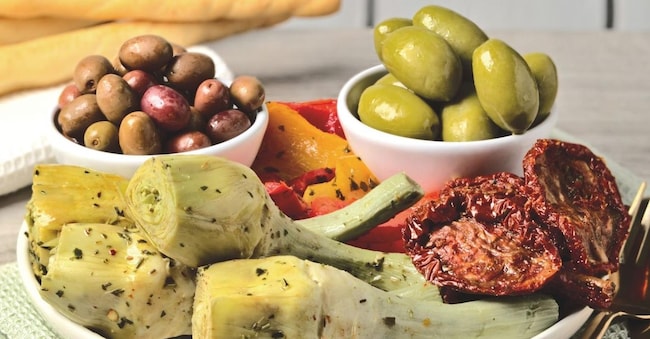
Vegetables that are 'otherwise preserved' are making a comeback. Sottoli, pickles and pickled vegetables want to be noticed, to be recognised for the role they play on the table (72% of Italians consume them) and to become better known, also thanks to the first category communication campaign launched by producers associated with Unione Italiana Food.
A due act for an important sector, 'made up of historic companies that work with passion and always search for new products, capable of stimulating the imagination of consumers,' says Mario Piccialuti, Director General of Uif.
In terms of business, in modern distribution preserved vegetables and pickles develop a turnover of more than 687 million euros, exceeding 84,800 tonnes of sales, Circana estimates. But the last few years have not been easy: rising production costs (oils above all), the inflation effect and the impoverishment of the shopping trolley have not favoured these preserved vegetables. They also suffer from a not entirely positive experience, also dictated by a lack of knowledge on the part of consumers. Only 58.4% believe they know enough about the canned vegetables sold in supermarkets, particularly regarding brand and ingredients. Less is known about nutritional and production aspects.
Poor information and fake news do not help pickles and pickled vegetables so much that one Italian in four no longer buys them, according to a study carried out by AstraRicerche for Uif. The reasons? Too intense a taste (30% of responses), but also an aversion to preserved products (25.3%) and the belief that they are not suitable for a healthy diet (22.4%).
But behind the refusal to buy them there are also more pragmatic reasons, such as the too-large formats in which they are sold (23.8%): an important aspect both from an anti-waste perspective and in terms of containing the household shopping bill. In fact, one in five non-consumers emphasise that they have abandoned them because they cost too much.

