Preserving complexity: the function of contemporary patronage
Those expressing the fragility of Vietnam are his favourite works, because collecting is a form of shared responsibility: Quỳnh Nguyễn tells why his Foundation supports temporary and ephemeral creativity, otherwise difficult to preserve.
by Patrizia Sandretto Re Rebaudengo
 Aggiungi Il Sole 24 Ore
ai preferiti su Google
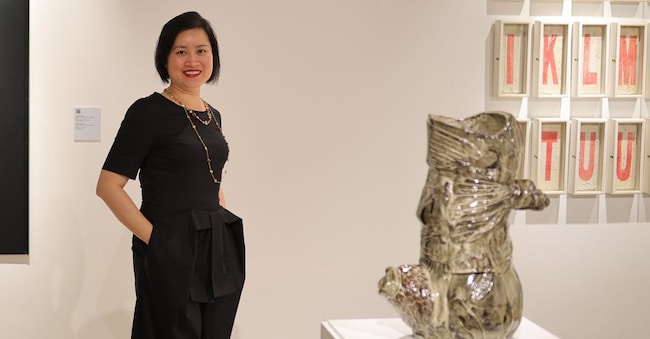
Tireless apprentice, mother and patron of the arts: this is how Quỳnh Nguyên describes herself, a prestigious figure in the Vietnamese scene, who now lives and works in Ho Chi Minh City. His career path began in the perfume and fragrance industry and in education, but art has always been a staple in his life. In 2018, she started the Nguyễn Art Foundation (NAF), born out of a desire to provide new opportunities and platforms for the Vietnamese art community. We got to know each other through our shared role as patroness of Cimam, the International Committee for Museums and Collections of Modern Art, of which our institutions are members, and we are united in our belief that collaboration between institutions is essential for the support and development of contemporary art. I look forward to seeing you at Cimam's annual conference, to be held this year in Turin at the end of November: it will be an ideal opportunity to deepen the dialogue and interweaving of ideas, practices and visions on the future of art.
WHAT WAS YOUR FIRST ACQUISITION? AND THE LAST?
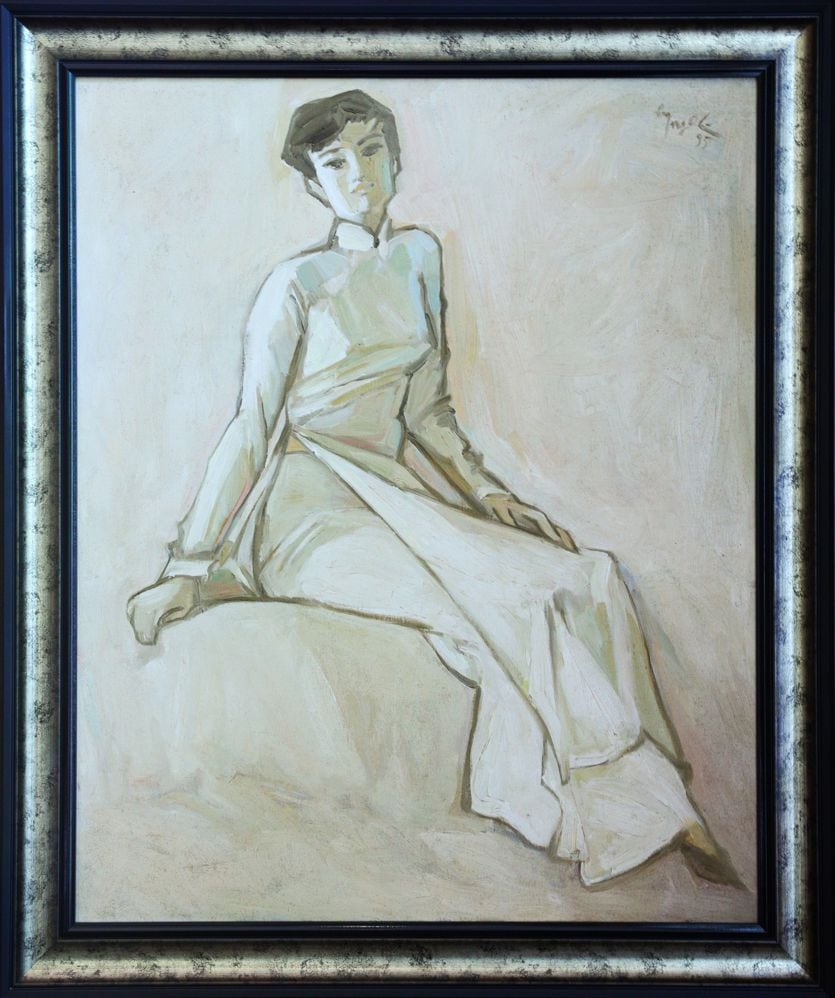
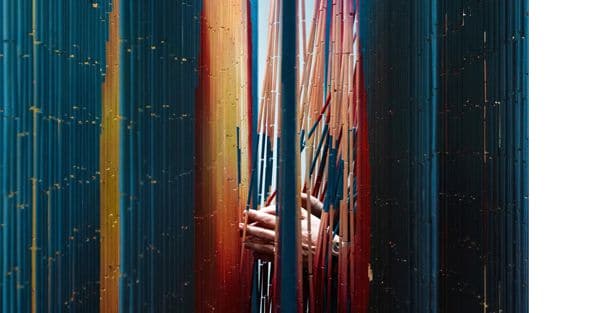
My first acquisition was my portrait by Bùi Quang Ngọc, a member of the first generation of students at the Vietnam University of Fine Arts, also known as École des Beaux-Arts de l'Indochine, founded by the French in 1925. That generation is often referred to as the Class of Resistance or Class Tô Ngọc Vân, named after the famous war artist who was also the school's first headmaster after its reconstitution at the end of the conflict. Bùi portrayed me while I was still at university, and it was a turning point for me, a transition: from the subject of a painting to a person eager to understand and support art. Our most recent acquisition is Pierced by Tuân Andrew Nguyễn, an immersive installation made of bamboo bead curtains that act as painted surfaces, which viewers are invited to walk through and touch. The work transforms Harold Eugene Edgerton's famous high-speed Bullet through Apple photograph into a tangible material suspended - literally - in time and space, awaiting human interaction. For me, this work reflects Nguyễn's ongoing investigation of historical and material memory, and the ways in which it is preserved, perceived and transmitted.
WHEN AND HOW DID YOU START COLLECTING ART?
I started intuitively and personally, thanks to friendships and encounters with artists who offered me new ways of seeing. Over time, I became more aware, especially when I started to recognise the fragility of Vietnam's art infrastructure. For me, collecting is not about accumulating, but about caring for artistic practices, preserving stories and offering forms of solidarity to artists who move me.