
Preventing and combating gender-based violence: the European Code of Conduct for Universities approved at Milano-Bicocca
Tackling inequality: the document, signed at the conclusion of the UNIRE and OCEAN pan-European conference, translates the principles of the Istanbul Convention into concrete commitments for universities across Europe

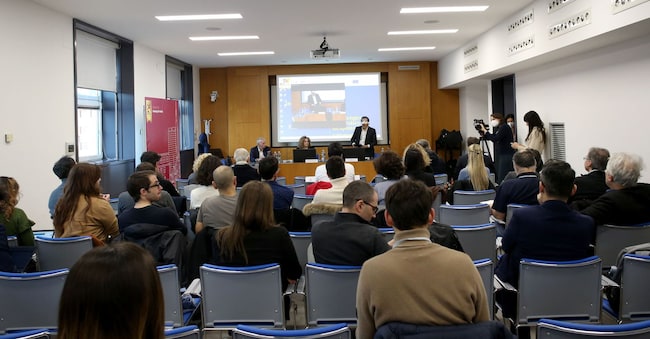
A common framework of commitments and tools to help European universities prevent and combat gender-based violence against women and domestic violence. This is the aim of the European Code of Conduct, which was presented, discussed and approved during the pan-European conference ‘Implementing the Istanbul Convention after the EU’s Accession in the Academic System. Backlash, Gaps and Institutional Responsibility’, which is taking place yesterday and today at the University of Milan-Bicocca.
The document
The document was drawn up by the UNIRE Academic Network – Universities Networked Against Gender-Based Violence, in collaboration with OCEAN – Open Council of Europe Academic Networks, in support of the implementation of the Council of Europe Convention on preventing and combating violence against women and domestic violence, known as the Istanbul Convention.
The conference opened with official welcoming remarks from Marco Emilio Orlandi, Rector of the University of Milan-Bicocca, and Elena Lucchini, Regional Councillor for the Family, Social Solidarity, Disability and Equal Opportunities for the Lombardy Region. The proceedings were introduced by Marina Calloni, a lecturer at the University of Milan-Bicocca and director of the UNIRE Academic Network, together with Olaf Köndgen of OCEAN – Council of Europe.
The Code
The Code translates the principles of the Convention into 25 commitments and operational standards aimed at universities, higher education institutions, university alliances and academic networks. The aim is to support universities in promoting existing policies, identifying any gaps and defining concrete measures for improvement.
The areas addressed by the document include prevention, information and awareness-raising, training for the academic community, research, data collection, counselling and support services, reporting channels, risk assessment, protection against possible retaliation and the management of internal procedures.
International academic mobility
Particular attention is also paid to international academic mobility. The Code sets out measures to ensure continuity in the protection and support of those affected by incidents of violence during Erasmus programmes, exchanges, work placements, research visits and joint programmes involving several institutions. The principles set out include the provision of a point of contact, collaboration between universities and measures to ensure that the person involved does not have to start the process of seeking help all over again each time they move between institutions.
Strengthening existing tools
The document also makes it clear that universities are not necessarily required to set up new structures or parallel procedures. Universities can utilise and strengthen existing tools, integrating the prevention and combating of gender-based violence into their Gender Equality Plans, equality policies, codes of conduct, support services and institutional procedures, whilst collaborating, in particular, through networks at European and international level.

Brand connect


Newsletter Scuola+
La newsletter premium dedicata al mondo della scuola con approfondimenti normativi, analisi e guide operative
Abbonati