Agriculture Day

From the Prince of Sanguineto's castle to Villa Pace, 50 historic residences open their doors for wine tours

Fifty historical residences that are also farms and wineries in 14 different Italian regions open their doors to visitors on Sunday 9 November

by Giorgio dell'Orefice

Tenuta Marchesi Alfieri

4' min read

Translated by AI
Versione italiana

4' min read

Translated by AI
Versione italiana

Fifty historical residences that are also farms and wineries in 14 different Italian regions open their doors to visitors. On Sunday, 9 November, on the occasion of National Agriculture Day, historic residences will also open their doors to visitors to show how through agriculture, wine tourism and the enhancement of the artistic heritage, residences contribute every day to the economic and cultural development of Italian communities. In fact, Sunday will see the return of 'Coltiviamo la Cultura - Festa dell'Agricoltura nelle Dimore Storiche', the initiative promoted by the Associazione Dimore Storiche Italiane ETS (Association of Historical Italian Residences) to valorise two of Italy's pillars of identity: culture and agriculture, irreplaceable assets that are deeply rooted in the territory.

Rural Heritage

Now in its fourth edition, the event will offer the public an opportunity to discover how ancient residences, guardians of history, art and traditions, are today also engines of sustainable development for Italy's agricultural territories.

Loading...

Once again this year, not only the residences active in the agricultural sector will open their doors, but also all those that, by virtue of their close ties with the territory in which they are located, have decided to host agricultural producers or local craft businesses. Among the activities and experiences offered to the public in the various residences there will be tastings, workshops, markets, conferences and workshops, as well as the opportunity to take advantage of guided tours of the residences themselves where possible. This is a valuable opportunity to get to know at first hand the richness of the rural heritage and the deep bond that unites the historic residences with the world of agriculture and craftsmanship.

Villa Fegotto

Wine tourism tours

According to the indications of the Associazione Dimore Storiche (Historic Residences Association), a number of locations will be open to the public, among others, making wine tourism visits possible. These include the Castello del Principe di Sangineto (Cosenza) in Calabria and the Cantine Pupillo di Siracusa in Sicily. Moving up the boot, the Castello di Montegiove in Montegiove (Terni) in Umbria will be open.

Going then to the North West in Piedmont, it will be possible to visit the La Marchesa Estate in Novi Ligure (Alessandria). Historic residences in the North East are also well represented. In Veneto, two historic residences in the province of Treviso, namely Villa Tiepolo Passi in Carbonera and Villa di Maser in Maser (TV), will be open to visitors. There will also be a large number of participants in Friuli Venezia Giulia, with Villa Pace in Tapogliano and Villa Ritter de Záhony in Aquileia (both in the province of Udine) in the front row, and then Villa del Torre, Romans d'Isonzo (Gorizia).

In addition," the Historical Residences Association reports, "in Campania at the Fondazione Real Sito di Carditello, fattoria del re di Napoli, San Tammaro (CE) there will be several wineries: Tenute Casoli, Candida (AV); Masseria la Morella, Battipaglia (SA); Poderi Foglia, Conca della Campania (CE).

Castello Banfi a Montalcino

The link between viticulture and wine tourism

The most recent data from the Observatory on Private Cultural Heritage, which measures the impact on the country of the widespread system of historic Italian dwellings, confirm the strong link between dwellings and agriculture in the area. For 39% of the dwellings that carry out agricultural activities, in fact, this determines over 75% of their annual income, while in 21% of cases the value is between 50% and 75%.

The link between wine-growing and wine tourism also proves to be a driving force: 100% of the residences with wine production offer wine-tasting itineraries and 85% of them have recorded an increase in visits in the last year alone, for about one third of the residences even more than 30%. Data that show how the combination of agriculture and cultural heritage represents a strong element of attraction for tourism as well.

Historical residences thus prove to be not only guardians of beauty and memory, but also dynamic players in a sustainable and territorial economy that integrates culture, agriculture and tourism, enhancing the most authentic Made in Italy products and the attractiveness of rural areas.

Palazzo Amarelli

"With 'Let's Cultivate Culture' we want to remember," commented the president of the Associazione Dimore Storiche Italiane Ets, Maria Pace Odescalchi, "that the historic residence is not just a place of memory, but a living reality that generates value for the territory. Our dwellings are testimonies of beauty and history, but also engines of sustainable economy with employment spin-offs, concrete benefits for local communities, and protagonists of Made in Italy excellence. More than one in four dwellings are located in small municipalities of less than 5,000 inhabitants, where they play an active role in preserving rural landscapes and sustainable farming practices, thus contributing to the economic vitality of inland areas. Through agriculture, wine tourism and the promotion of our cultural heritage, dwellings contribute every day to the growth of communities and the protection of Italian landscapes."

"A special thanks," added the Association's vice-president, Guglielmo Garagnani, "goes to the commitment of the member owners, who choose to open the doors of their farms or to host local businesses, recreating that historical union between dwellings and rural activities that has defined the traditions of our country over the centuries.

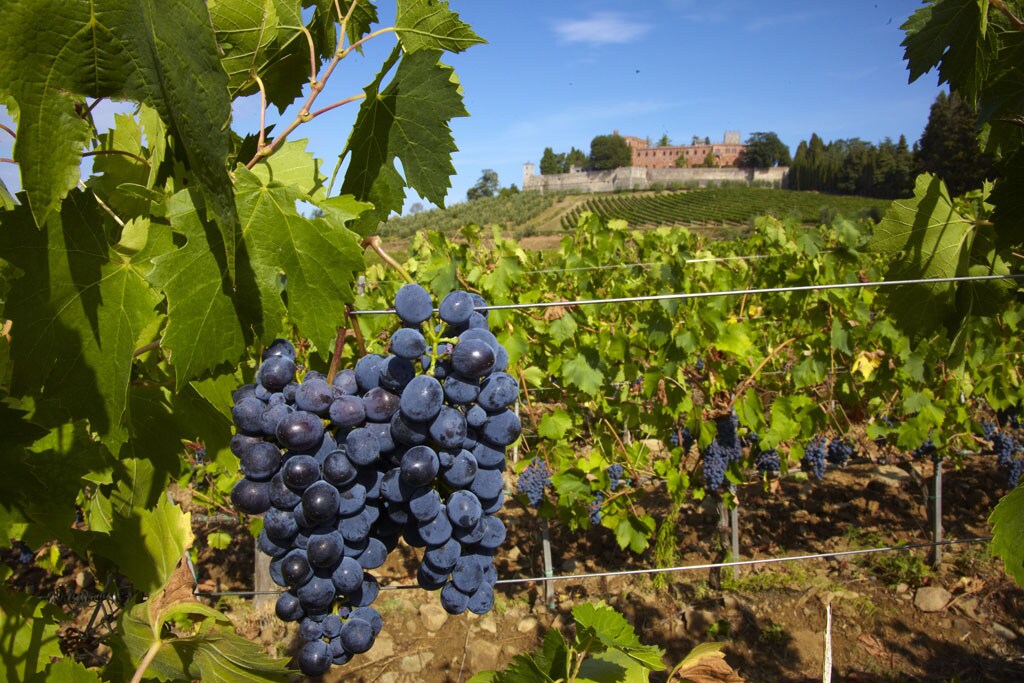
Castello di Brolio - Vino Ricasoli

"Historic Italian homes are living testimonies of our past and at the same time authentic stages of agriculture, taste and tradition. They are an Italian heritage that must be preserved so that those who cannot do so on a daily basis can experience the profound bond between man, the land and time. They must also be valorised in order to promote a development model based on quality, sustainability and beauty and - at the same time - to spread the true spirit of agricultural and cultural Made in Italy around the world. It is in our roots that we recognise the strength of the Italy that produces, preserves and welcomes,' says the Minister of Agriculture, Food Sovereignty and Forestry, Francesco Lollobrigida.

Copyright reserved ©
Loading...

Brand connect

Loading...

Newsletter

Notizie e approfondimenti sugli avvenimenti politici, economici e finanziari.

Iscriviti