
Privatisation, three billion to meet the 2024 target
Almost 50% of annual target reached with Eni and Mps. Poste's second tranche ready. The Mef could sell an initial 15% stake by October and collect around EUR 2.5 billion
3' min read
Key points
3' min read
The resumption after the summer break and the preparation of the structural budget plan force the executive to reflect on the continuation of the privatisation plan. In last year's manoeuvre, a divestment target of 20 billion over three years, starting in 2024, was indicated (although in reality the quantification is set at 1 per cent of GDP). In the next manoeuvre, the concept is likely to be reiterated to some extent. A proportional path would require divestments of at least EUR 6 billion per year.
In the state coffers already some three billion
.Despite the debates, the different positions expressed even within the majority, and the criticism of the opposition, the Meloni executive has actually already started and this year has brought about 3 billion euro into the state coffers. Therefore, if it is intended, as is likely, to confirm the trajectory to hit the 2024 target, it will be necessary to collect about 3 billion euro or slightly more before the end of the year. An absolutely within reach target.
Loading...
The operations carried out by the MEF
.So far, the Ministry of the Economy has sold, through accelerated bookbuilding transactions, 2.8 per cent of Eni's capital, with proceeds of EUR 1.4 billion. Between November 2023 and March 2024, the MEF also sold shares in the capital of MPS, totalling 1.5 billion. It is true that a share had been sold at the end of last year, but the total amount of privatisations can be calculated at almost three billion euro.
The Poste Italiane file
.If the government wanted to close 2024 by doubling the treasury, the sale of the second tranche of Poste Italiane was at hand, the preparatory work for which had been carried out under cover by the company for months. Until last spring, when informal talks were begun with Consob (there would have been at least a couple of meetings) to define the preparation of the prospectus for the public offering, which envisages the sale of a portion of the capital to institutional investors and another portion to savers and employees. The launch of the operation was imagined and then blocked several times. The possibility of launching the operation by June had been hinted at and then shelved due to the concomitance of the European elections and the risk that the oppositions would instrumentalise the privatisation in the electoral campaign. Even the trade unions are on the warpath: they are against the sale of further shares; some may accept that the State should sell but not go below 50 per cent of the capital. There is room to exploit the September-October window. The markets are positive and the Poste share is at an all-time high. Capitalisation has reached 16.5 billion, more than double the IPO value. In the Dpcm passed in January, but never approved, it is stipulated that the State must not go below 35% of the capital, which means that it can sell up to 29%, leaving 35% in the hands of Cdp. The potential proceeds would be almost 5 billion. The Mef, however, could also sell only a first tranche of 15%, so as to maintain public control at 50%, and take home about 2.5 billion, a figure sufficient to come close to the 6 billion of this year's target, perhaps postponing a later tranche to future operations.
Mps Chapter
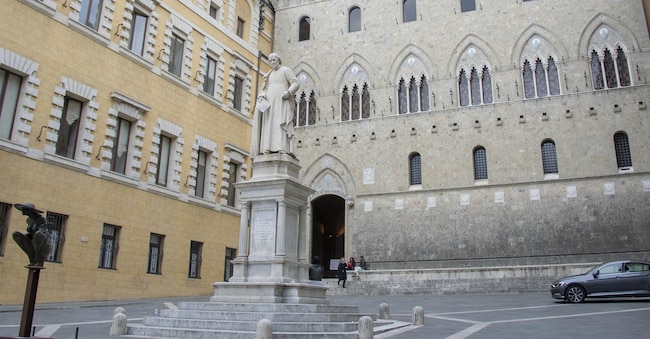
.Other transactions at hand would include the sale of another stake in Mps, in which the state controls 26%, having made a commitment to Brussels to go at least below 20% by the end of the year. The choice is not an easy one, however; a sale tout court would take the state to a low stake, which would expose the bank to the risk of a takeover bid by competitors. According to rumours, a business alliance in the insurance sector is being studied in order to bring in a partner (rumours had mentioned Unipol). But these still seem to be premature scenarios.


Brand connect
Loading...
