Energy

Proxigas: ‘Gas is strategic for Italy’s energy security. Regulation should support the sector’s development to ensure efficiency and decarbonisation’

During the hearings on ARERA’s strategic framework, the Chairman of Proxigas, Pier Lorenzo Dell’Orco, emphasised the need for a regulatory framework that supports investment, encourages diversification of supply and promotes the development of a liquid and competitive market, making the energy transition accessible to households and businesses.

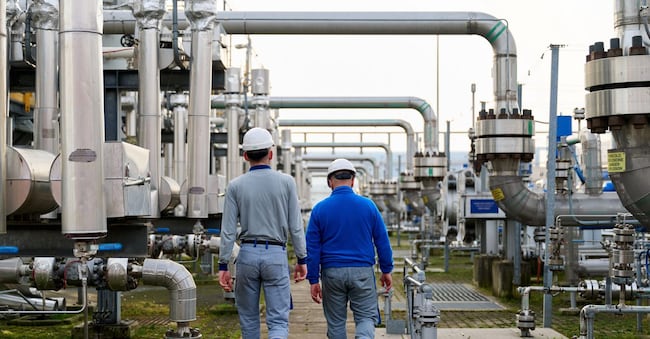
Snam società nazionale, stabilimento di stoccaggio del gas. (Imagoeconomica)

3' min read

Translated by AI
Versione italiana

3' min read

Translated by AI
Versione italiana

Rome, 11 September 2026 – Natural gas is, and will continue to be, a strategic component of the Italian energy system and of the country’s economic and industrial fabric. The integration, via existing infrastructure, of more sustainable energy carriers such as biomethane, hydrogen and gases with reduced or zero CO₂ content is key to guiding the evolution of the energy system towards a just energy transition.

These are some of the key points set out in the submission presented by Pier Lorenzo Dell’Orco, chairman of Proxigas, as part of the regular hearings on the strategic framework of the Regulatory Authority for Energy, Networks and the Environment (ARERA).

Loading...

The context: demand for gas rose by 1 per cent in 2026

Following the decline in consumption recorded during the 2022–23 energy crisis, demand for gas has returned to growth, rising by 2.1 per cent in 2025 and by 1 per cent in the first seven months of 2026. Gas also plays a crucial role in thermoelectric power generation: in July 2026, gas consumption for thermoelectric power generation rose by 18 per cent compared with the same month the previous year. Industry, too, continues to rely on gas, particularly in sectors characterised by high-temperature processes, whilst in the residential sector, gas meets almost 50 per cent of energy requirements and provides heating for around 70 per cent of homes.

Natural gas is central to the energy transition

“Of the approximately 16 million homes in energy efficiency classes F–G, the installation of heat pumps is technically feasible in fewer than 6 million properties and, taking economic constraints into account, in fewer than 2 million,” explains Pier Lorenzo Dell’Orco, president of Proxigas. Natural gas is also a key resource in the district heating sector: “it accounts for 70 per cent of consumption”, whilst in combined heat and power “it powers around 81 per cent of installed capacity, with renewable sources contributing just 8 per cent”.

Gas is proving to be a safeguard for national industrial competitiveness, ensuring flexibility and reliability in the energy transition.

The costs and inefficiencies of rushed electrification

Focusing solely on electrification – which, in many cases, is incompatible with the characteristics of our buildings – risks proving ineffective in achieving climate targets, as well as being extremely costly for Italian households. Added to these factors is the economic impact of climate policies. The new ETS2 scheme will also affect buildings: assuming an average price of 60 euros per tonne of CO₂, the economic impact could be in the region of 160 euros per year per household.

From natural gas to renewable and low-carbon gases

The existing network and infrastructure represent a strategic asset for supporting the evolution of the energy system towards increasingly sustainable energy carriers. In particular, biomethane, hydrogen and gas with reduced or zero CO₂ content, together with CO₂ capture, utilisation and storage (CCS-CCUS) technologies, are key elements in the transformation of the gas system and decarbonisation. The aim is to make the most of existing infrastructure and that yet to be developed in order to integrate new forms of energy, whilst ensuring that this infrastructure asset is not squandered, which

It guarantees security, flexibility and resilience today.

Proxigas’ proposals: safety, infrastructure and competitiveness

To support the system’s evolution, Proxigas has identified a series of priorities: strengthening security and diversification of supply; promoting wholesale markets liquid and efficient gas markets; making the most of the national infrastructure assets; defining a regulatory framework that enables decarbonisation; strengthening the integrity of the retail market whilst safeguarding its dynamism; promoting an accurate representation of the market to increase consumer awareness and engagement; and simplifying the ROSS regulations.

The role of regulation

Regulation is required to translate energy policy guidelines into coherent regulatory signals. “The aim of regulation is to support the evolution of the gas system, creating a framework in which a resource destined to remain central to the national energy system can be enabled to realise its potential in terms of competitiveness, security of supply and sustainability’, emphasised Chairman Dell’Orco.

Copyright reserved ©
Loading...
Loading...

Brand connect

Loading...

Newsletter

Notizie e approfondimenti sugli avvenimenti politici, economici e finanziari.

Iscriviti