
Public gaming, Cangianelli: 'Regulated market yes, but dynamic. More technology against illegality'
Dedicated activities and specialisation of supply grow, while the generalist network takes a 2% step backwards

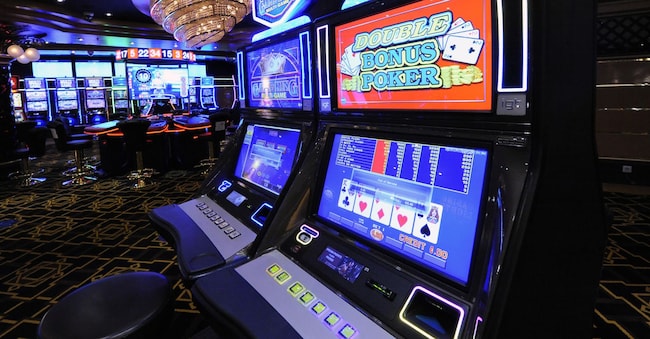
There are approximately 35,300 public establishments in Italy that offer regulated games under concession, equal to 42% of the entire national distribution network, estimated at approximately 85,000 unique points. This is the picture of the phenomenon included in the Report 2025 presented at the Hotel Nazionale and promoted by the Milton Friedman Institute.
The improvement of proposals, the rationalisation of the generalist network and the development of services related to remote gaming are just some of the points discussed. A picture that shows an articulated and changing system.
The active points are distributed among 4,929 specialised halls - including bingo, betting halls or shops - and 30,417 bars and establishments with a secondary gaming offer. On the other hand, more than 13,000 Reload Points of Sale registered in the first phase of registration for remote gaming are active.
Country distribution
In some regions of Southern Italy, there is a greater incidence of the top-up channel for remote gaming, where Campania takes the podium, while Abruzzo and Piedmont show a relatively high presence of specialised activities. Dedicated gaming rooms have been growing over the last two years, with Lombardy leading the way with 721 points, as in the case of bars and public establishments with games, where the national total is down by more than 2% compared to the previous year.
However, the war on illegal supply worth 30 billion remains. "The figure of 42 per cent of the national network confirms that public establishments represent an essential infrastructure in the regulated distribution of gaming," emphasises Emmanuele Cangianelli, President of EGP-FIPE and federal councillor delegated to the sector. "The growth of specialised halls and the rationalisation of the generalist network indicate a market that is progressively structuring itself, with distribution models that are more defined and integrated also with the digital channel. In this context, the priority remains the fight against illegality and abuse'.

