
Public transport: fewer and fewer diesel buses, with electric and hybrid models on the rise
In 2024, the proportion of low-emission buses rose to 48.4 per cent of the total, marking an increase of 8.1 percentage points on the previous year and 16.8 percentage points on 2019

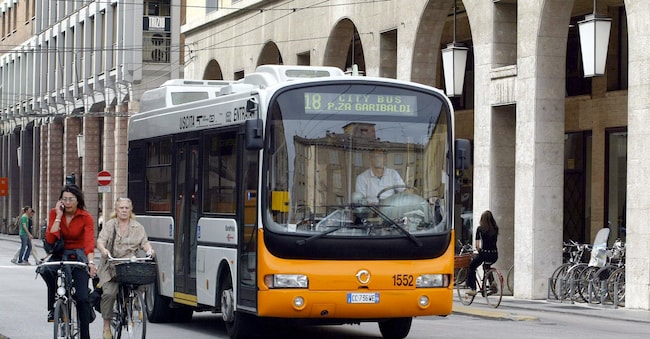
Almost half of all buses no longer run on diesel: by 2024, the proportion of low-emission vehicles – that is, electric, hybrid, natural gas or LPG – had risen to 48.4 per cent of the total. This represents an increase of 8.1 percentage points on the previous year and 16.8 percentage points on 2019. This is highlighted in a report by Istat, which shows some significant progress in the renewal of vehicles used for local public transport. Compared with 2023, electric and hybrid buses increased by 54.9 per cent, whilst gas-powered buses saw a more modest rise of 9.7 per cent. The Institute’s data also indicate an expansion of metro and trolleybus services and an extension of the cycle path network.
Fleet renewal
Overall, in 2024, the size of the bus fleet available to the public in regional capitals is set to grow by 2.8 per cent. In the South, there will be a 7.9 per cent increase, in the North-East a 4.9 per cent increase, whilst no significant changes are expected in the other regions.
The overall proportion of low-emission buses is increasing across all regions, but with marked regional differences: whilst in the regional capitals of the North-East it reaches 63.8 per cent, it remains well below the average in the North-West (42.5 per cent) and in the South (39.5 per cent). The aggregate figure for metropolitan capitals, which stands at 47.5 per cent, is in line with the national average but masks significant inequalities. The proportion of non-diesel buses exceeds 75 per cent in Bologna and Bari and 50 per cent in Venice, Rome and Catania, whilst Genoa, Florence and Reggio di Calabria have figures well below the average.
Gas-powered buses, despite growing at a slower rate than hybrid and electric buses, remain more numerous. The former continue to account for 29.9 per cent of buses in service in regional capitals (with peaks of 46.5 per cent in the North-East and 36.6 per cent in the Centre), whilst they account for just 18.4 per cent of the total, being concentrated particularly in the North-West (26.4 per cent).
The proportion of Euro 6 buses, however, remains broadly the same across the north, centre and south of the peninsula, where these vehicles account for 61.7 per cent, 59.1 per cent and 61.7 per cent of the total respectively. Despite the new traffic restrictions due to come into force on 1 October 2026 in the regions of the Po Valley, a significant proportion of Euro 5 vehicles, registered more than 11 years ago (26.5 per cent), as well as vehicles from earlier emission standards, registered more than 16 years ago (12.5 per cent across all regional capitals, and 22 per cent in southern cities). Overall, however, the number of Euro 6 vehicles has increased by 12.8 per cent compared with the previous year, whilst Euro 5 vehicles have decreased by 6.6 per cent and even older models by 15.8 per cent.

