
Puma sinks in Frankfurt after U-shaped revision of 2025 estimates, now expected red
Lower-than-expected revenue performance and the implications of US tariffs weigh heavily, as the brand manufactures in China, Vietnam, Cambodia and Bangladesh

2' min read
Le ultime da Radiocor
Borsa: Europa incerta a meta' seduta col freno di Parigi, Milano (+0,01%) nel segno del risiko
*** Electrolux: in nuovo piano presentato al Mimit c'e' ritiro licenziamenti
*** Electrolux: azienda pronta a rivedere licenziamenti con uscite volontarie incentivate
2' min read
(Il Sole 24 Ore Radiocor) - Resonant thud of Puma on the Frankfurt Stock Exchange (DAX 30 ), after the German sportswear brand, crippled by US tariffs and currencies as well as falling sales, sharply cut its 2025 guidance in the wake of lower-than-expected quarterly results. Earlier in the day, after the close of the session, Puma announced the U-turned revision of its 2025 estimates, which now point to a decline in sales and a loss, "due to lower-than-expected revenue performance and the implications of US tariffs".
The preliminary figures for the second quarter point in this direction. In the three months to June, Puma reported sales at constant exchange rates of €1.94 billion, down 2% and below analysts' expectations. Sales in North America decreased by 9.1% and in Europe by 3.9%. The currency impact was negative by EUR 135 million. Gross margin decreased by 70 basis points to 46.1%, mainly reflecting higher promotional activity and exchange rates. Adjusted EBIT (excluding extraordinary costs) was negative EUR 13.2m. The quarter ended with a net loss of EUR 247m. Inventories increased by 9.7% on a reported basis and by 18.3% at constant exchange rates to EUR 2.15 billion. The first half of the year ended with sales down 1% to EUR 4.02 billion and a net loss of EUR 246.6 million. "Against the backdrop of the volatile geopolitical and macroeconomic environment, Puma expects industry- and company-specific challenges to continue to negatively impact 2025 performance. Key factors include lack of brand momentum, changes in channel mix and quality, the impact of US tariffs and high inventory levels." Despite 'mitigation measures such as supply chain optimisation, price adjustments and collaboration with partners, US tariffs are expected to have a negative impact of about EUR 80 million on profit gross'.
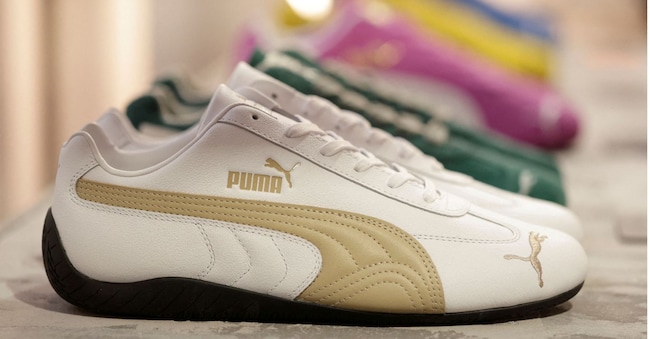
Like other industry giants such as Nike and Adidas, Puma produces and ships its trainers, running shoes and clothing to the US from China, Vietnam, Cambodia and Bangladesh, thus exposing itself to Washington's heavy tariffs on imports from those countries. Puma now expects annual sales to fall by at least 10% at constant exchange rates, whereas it had previously forecast growth of between 1% and 5%. A net loss is now expected for Ebit, which is not quantified against the previously indicated positive result of 445-525 million. Regarding the brand's difficulties, analysts note that Puma is struggling to attract consumers and that the return of retro trainers such as the Speedcat has not been as successful as hoped. The difficulties in sales and profits have been ongoing for some time and in April the board appointed a new CEO in the hope of reversing the trend. Arthur Hoeld, former head of sales at Adidas, officially took office on 1 July. In March, Puma had already announced staff cuts and warned of uncertain US consumer demand.
Analysts at Jp Morgan noted that Puma's quarterly results and updated forecasts are significantly below expectations. "We expect consensus earnings per share to be revised downward as a result of this new warning and expect a negative market reaction," they added. Experts at Ubs reiterated their negative rating on the stock, while Jefferies reiterated its 'Neutral' advice.

