
Children's quality of life: widespread services, facilities and spending reward large cities
Cagliari is also in the top ten. The South is at the bottom but wins for family networks and fertility
Key points
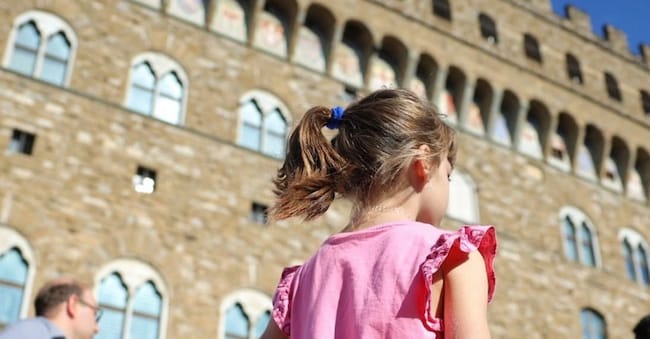
There are eight different regions represented in the top ten of the Quality of Life rankings for children (0-14 age group). And the provinces that express the regional capitals stand out: in addition to Florence, which takes the top spot, there are Milan (second), Trieste (fourth), Cagliari (seventh), Genoa (eighth) and Ancona (ninth). Florence and Milan are accompanied by their fellow countrymen Siena, fifth, and Monza Brianza, sixth, while the podium is completed by Aosta (third), in the lead for schools with canteens. Verbano Cusio Ossola (1st) closes the list of top schools.
The larger metropolitan areas also score well with Bologna (16th), Turin (22nd), Rome (33rd) and Bari (45th), while Naples (94th), Palermo and Catania, fourth and penultimate, struggle. Among the factors that may have given a boost to the most populous areas is the new indicator of proximity services for the smallest that can be reached on foot within 15 minutes. This is a sign of the capillarity of the facilities, mostly private, that can be found in areas such as Bari, Milan, Rome and Genoa: all in the top 10, as is Naples, fourth.
Florence and Milan records
Florence's supremacy is explained by a high average of results and by its presence among the top ten in eight parameters out of 20: the most relevant placement is third place in social spending for families, where Trieste prevails. Milan does even better, coming four times on the podium with as many third places (linked to the low incidence of school canteen fees on the average family income, proximity services, schools with gymnasium and paediatric nurses), but is 100th for the scarce living space available to families (56.6 square metres on average) and 101st in terms of funding from the NRP for education.
The South tops in demographic indicators. Infrastructures and educational results weigh heavily
An indicator, this one, that continues to reward the South, evidently more in need of intervention. But overall, the South lags behind, as witnessed by the total monopoly of the last ten positions in the overall ranking. Cagliari, seventh, and L'Aquila, 14th, stand out positively. The Sardinian province also obtains two first places, for the presence of paediatricians and for the not-so-heavy fees for school meals, but it is last for the high quota of crimes against minors and sinks in terms of the fertility quotient: 0.84 in the average number of children per woman was dramatic in 2024, the 0.75 of 2025 leads to fears of a descent with no more brakes.
Apart from Sardinia, precisely in fertility the South offers data above the national average, although the record is held by the ultra-northern Bolzano (1.55 children per woman). Trapani - the black jersey in the 'general' - achieves its best result here, a fourth place, which is, however, opposed by eight placings among the last ten. The South wins out when it comes to the relatives it can count on to look after the children, but then it is very fragile when it comes to the scholastic skills of the youngest (two rankings in which Sondrio comes out on top). And even the high participation in the school system between the ages of 4 and 5 has a downside, which is that of the scarcity of places in crèches, with three-year-old children admitted by necessity to the upper 'bracket'.

