The methodology

Quality of life: the 90 indicators to measure well-being

The 2025 edition of Quality of Life reflects current events with 23 renewed indicators
by Michela Finizio

4' min read

Translated by AI
Versione italiana

4' min read

Translated by AI
Versione italiana

Even in the 2025 edition of Quality of Life there is room for topicality. There are 23 out of 90 indicators renewed with respect to the 2024 edition (some highlighted in bold in the text), which have returned to the headlines in the last year, alongside the historical ones that have accompanied the survey since 1990. Guiding the editorial staff of Il Sole 24 Ore in their research and in the selection of some of the parameters included among the 90 that contribute to the final ranking is a roundup of statistical evidence that has emerged from the incessant flow of the most recent news.

First of all, voluntary homicides have decreased, while home burglaries are on the rise again. The perception of insecurity is growing among citizens, beyond the statistics, threatening the well-being of people in urban settings. Tragic episodes of road accidents bounce back on the local news, which according to ISTAT figures do not decrease, in a country with the European record in the rate of motorisation. And again: tumour mortality is slowing down, thanks to the progress of scientific research, but in some areas it still affects one in every thousand residents between the ages of 20 and 64, illustrating the urgency of investing in healthcare and prevention.

Loading...

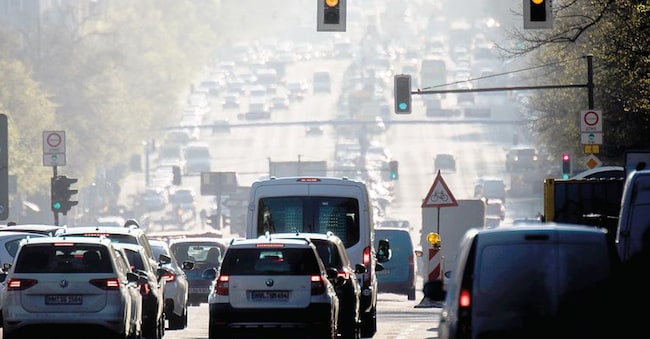
The climate also divides Italy in two: it gives an average of 9.2 hours of sunshine a day in Agrigento, for example, but the unhealthy air weighs down on the Po Valley like a boulder (according to the 2014-2024 averages, every year in Turin there are 158 periods of at least four days without rain, wind and fog). Finally, cities, caught in the grip of the demographic trap, are no longer 'family-friendly': loneliness and denatality reflect the lack of sociality and services.

Data selection

These emphases are complemented by the traditional package of indicators, confirmed and updated every year: e.g. the added value per capita, the employment rate, the share of university graduates, life expectancy, the litigation index in the courts, the cultural offer.

Providing statistics to the editorial staff - some exclusively - are authoritative or institutional sources that consolidate and certify the data used (Istat, Ispra, Bank of Italy, Inps, Siae, Prometeia, Infocamere, Tagliacarne and ministerial sources).

Loading...

The survey of a journalistic nature has always been dictated by certain guidelines: the topicality of the subject photographed; the need for the data to be updated to the most recent year and certified (validated) by institutional or authoritative sources; the weight of the subject represented must be balanced among the 90 indicators in order to recount all aspects of well-being in a balanced manner. The magnifying glass used (the Q for Quality of Life, also represented in the survey logo) is that of the editorial staff of Il Sole 24 Ore, which in 1990 decided to produce the ranking in-house - independently -, starting from two awarenesses: no scientific method can ever guarantee, in absolute terms, the objectivity of any ranking; the selection of the indicators can always be discussed. However, the editorial choice of indicators, summarised through the 'narrative device' of the ranking, allows the country to be told through numbers, revealing fragilities and best practices.

The 90 indicators - all equally weighted - are then divided into the six thematic rankings that characterise the survey:

1) Wealth and consumption: economic availability and spending power;

2) Business and work: business and employment opportunities;

3) Demography, health and society: living and health conditions, education levels;

4) Environment and services: climate and environmental protection, quality and efficiency of services;

5) Justice and security: complaints, torts, incidents and litigation;

6) Culture and leisure: cultural offer, leisure time venues and services.

The method used is not a scientific method, but a simple average of the averages of the scores achieved by the 107 provinces in the 90 indicators, re-measured from zero to one thousand.

Loading...

The synthetic indices

Finally, nine synthetic indices, already published during the year, contribute to the final result, allowing us to go even deeper into certain areas: these are indices that aggregate several parameters in a thematic way, elaborated by third-party institutes or directly by Il Sole 24 Ore (to get to know them in detail, see the graphic on the right).

These include the 'Sportiness Index', compiled by Pts, which for almost 20 years has been measuring the spread and quality of sport in the territory; the 'Urban Ecosystem' by Legambiente on environmental data from cities.

Also moving in this direction are the "vertical" indices of Quality of Life, such as the "climate index", renewed by the editors in March to report on climate parameters (including sunshine, heat waves, humidity, extreme events and rainfall), through data provided by 3Bmeteo on the decade 2012-2024. Or the three generational indices of the Quality of Life of Children, Young People and the Elderly, each consisting of 12 sub-indicators to measure services and living conditions by age group. Finally, the Quality of Life for Women (defined by 14 indicators, two more than last year), now in its fifth edition. All indicators, including the methodological note, are available on the website www.qualitadellavita.ilsole24ore.com.

Copyright reserved ©
Loading...

Brand connect

Loading...

Newsletter

Notizie e approfondimenti sugli avvenimenti politici, economici e finanziari.

Iscriviti