
A route through Queensland to Cairns, the gateway to the Great Barrier Reef
The town, which is celebrating its 150th anniversary, is an ideal starting point for exploring one of the most beautiful parts of this vast country

Key points
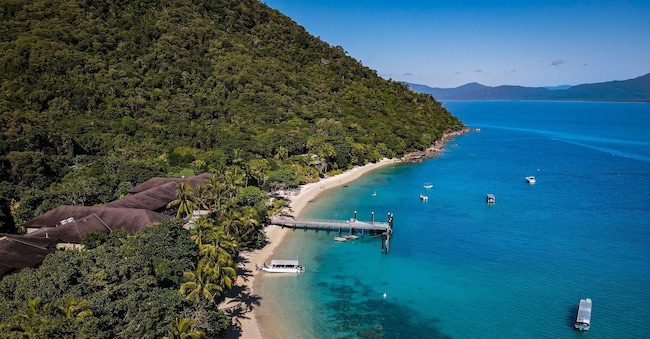
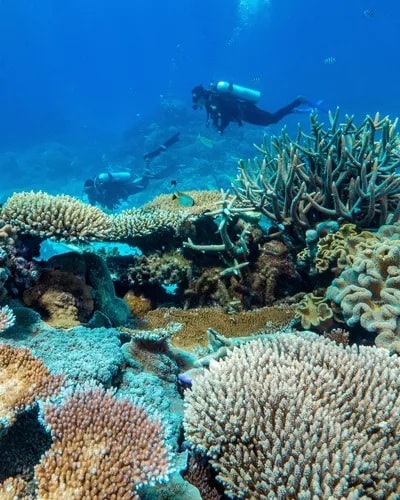
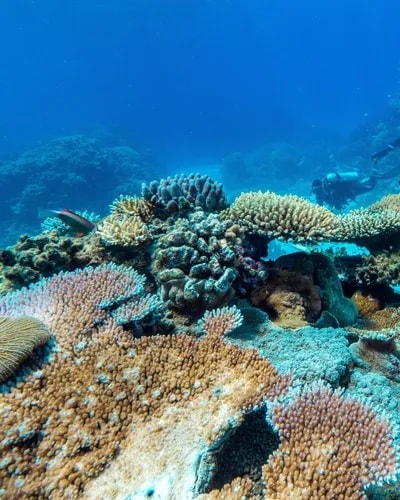
There was a time when the muddy banks of Trinity Inlet were home only to tents battered by the equatorial humidity, rusty pickaxes and the laboured breathing of hundreds of gold prospectors who had travelled to the other side of the world in pursuit of a pipe dream. One hundred and fifty years on, that tiny camp, founded on 1 November 1876 in honour of the then Governor of Queensland, Sir William Wellington Cairns, has transformed into one of the most dynamic and cosmopolitan tourist hubs in the Indo-Pacific. Cairns, in Australia, is marking its 150th anniversary by celebrating an extraordinary economic and cultural evolution: from a dusty hub for the export of tin, timber and sugar cane, fuelled by pioneering immigration and the historic railway to Kuranda, to a strategic Allied base in the Pacific during the Second World War, right up to the opening of the international airport in 1984. Today, this tropical metropolis is the world’s only gateway nestled between two UNESCO World Heritage Sites: the Great Barrier Reef and the ancient rainforests of the Wet Tropics.
Millennia-old roots and historical memory
The anniversary celebrations do not merely celebrate the industrial and tourism-led transformation, but strongly acknowledge the true traditional custodians of this land – the Gimuy Walubara Yidinji and Yirrganydji peoples – who have lived here for tens of thousands of years. At the Cairns Museum, this dialogue between eras takes shape in two major exhibitions: the ‘Decades of Dedication’ exhibition, which focuses on the environmentalist efforts that have protected local ecosystems from the 1980s to the present day, and the subsequent ‘Future Tense’ exhibition, dedicated to the impact of technological and material changes on everyday life. For those wishing to explore colonial architecture on foot, the Cairns CBD Heritage Walk and the Esplanade Heritage Walk reveal landmarks steeped in history, from the former courthouse to the iconic Hide’s Corner Hotel, right through to the historical traces of the vibrant Chinese community that flourished along Grafton Street.
Urban lagoon, underwater scenery and centuries-old gardens
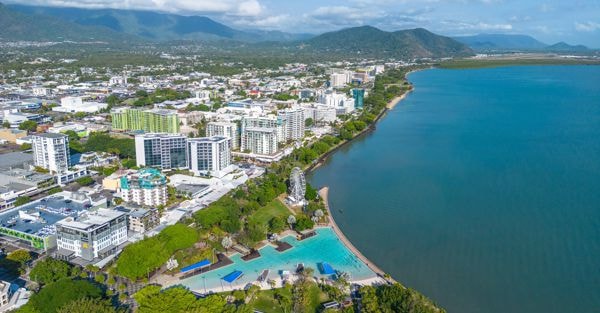
The beating heart of city life overlooks the famous Cairns Esplanade. Here stands the Esplanade Lagoon, a spectacular man-made saltwater oasis where residents and visitors can swim in complete safety, sheltered from the currents and the saltwater crocodiles that inhabit the bay. Set against the backdrop of the coastal skyline, whilst we await the opening of the new permanent Ferris wheel designed to withstand tropical weather conditions, the temporary Bella Vista Ferris wheel offers a privileged view of the Inlet (a large tropical estuary and natural harbour) and the surrounding mountains. Just a few minutes from the financial and commercial district, nature takes centre stage at the Cairns Botanic Gardens: opened in 1886 by Eugene Fitzalan on the site of a former Chinese vegetable garden, the gardens are home to imposing strangler figs, rare species in the Flecker Gardens and a valuable ethnobotanical section, the Aboriginal Plant Use Garden, which illustrates the ancient medicinal and culinary uses of native flora. Those wishing to explore the depths of the ocean without getting wet will find the Cairns Aquarium a masterpiece of scientific education, featuring over seventy recreated habitats, and ideal for enchanting night-time tours dedicated to the creatures of the reef.
Indigenous routes, historic markets and rain-soaked peaks
Discovering Cairns inevitably involves its sensory and outdoor experiences. At Rusty’s Markets – a market founded in 1975 thanks to the vision of motorcyclist Emrys “Rusty” Rees during the counter-cultural ferment of the 1970s – the weekend buzzes with the clatter of over 180 stalls brimming with tropical fruits, cocoa beans, high-altitude coffee blends and the freshest catch. To understand the region’s truest spirit, the essential experience is the Hands on Country Eco Tour led by Mandingalbay Yidinji rangers. Setting sail from Cairns Marlin Marina, you’ll traverse the mangroves of Trinity Inlet to reach the East Trinity Reserve and the Grey Peaks National Park massif, known as Mayi Bugan or Crocodile Mountain; here, amidst ancient welcome smoke ceremonies and botanical trails, you’ll hear tales from the Dreamtime (the system of knowledge passed down by Indigenous peoples) and learn about ancestral and sustainable land management. Another unmissable day takes you to the bohemian village of Kuranda. You board the historic Kuranda Scenic Railway, an engineering masterpiece dating from 1891 that climbs up steep gorges and past thundering waterfalls, before descending again, gliding above the canopy of the rainforest on the Skyrail Rainforest Cableway. In Kuranda, amongst the craft markets and the trails of the Rainforestation Nature Park, you can try your hand at boomerang throwing, listen to the didgeridoo and go on walks dedicated to bush tucker (indigenous food). The cultural calendar is rounded off by major annual events such as the prestigious Cairns Indigenous Art Fair in July, the Cairns Festival spanning August and September, and the inclusive celebrations of the Cairns Pride Festival in October (visit australia.com for more information).
Coastal elegance and bay-side retreats
The range of accommodation options reflects Cairns’ dual character, combining a vibrant business scene with the exclusive relaxation typical of tropical Queensland. Those seeking central accommodation will find, along the city’s waterfront and near Marlin Marina, elegant five-star hotels and boutique properties with direct views of the yachts and Trinity Inlet – perfect bases for exploring the lagoon, the aquarium and the waterfront restaurants on foot. For those who prefer a more leisurely pace in close contact with the marine environment, the prestigious Northern Beaches are the ideal choice. About twenty minutes north of the city centre, the exclusive seaside village of Palm Cove epitomises the quintessential luxury holiday: here you’ll find resorts nestled amongst centuries-old palm trees and world-class spas, separated from the golden beach only by the shaded Williams Esplanade – the perfect spot for dinners featuring contemporary fusion cuisine and glasses of wine at sunset over the Coral Sea.

