
Rai, the 60 days for the Mic's move on Teatro Delle Vittorie and Palazzo Labia
After the sale, the Ministry can exercise its right of first refusal within two months, while the Rai tender enters its decisive phase

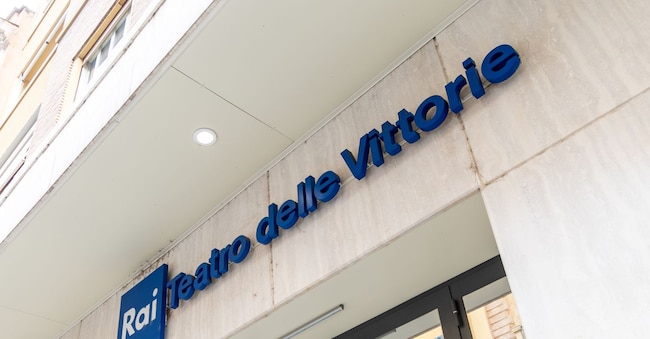
Sixty days. This is the time the Ministry of Culture will have to exercise its pre-emption right over the Teatro delle Vittorie and Palazzo Labia: not now, not on the mere expression of interest, but after notification of the sale contract with the successful bidder. And at the same price.
Mic's entry into the game
The game of Rai's historic properties, therefore, with the entry on the scene of the Ministry of Culture is fueled by another possible epilogue, after the controversy of recent weeks following the entry into the operational phase of the real estate plan of Rai - which provides for the sale of assets such as, in fact, Teatro delle Vittorie and Palazzo Labia, among others - and the position taken by Rai CEO Giampaolo Rossi, who from the columns of the Sole 24 Ore has made it known that Rai will proceed on the real estate plan and on the disposals without backing down.
The sales procedure
The tender is going ahead. The plan envisages the sale of 15 prestigious properties, equal to 23% of the entire assets, to realise almost EUR 250 million. "RAI invites interested parties to submit their preliminary, indicative and non-binding expression of interest for the purchase of the Portfolio by noon on 22 May 2026," as stated on the rai website on the page dedicated to the Real Estate Plan.
The competitive bidding process for the public service's real estate assets - for which RAI is using Kpmg Advisory, Kroll Advisory and BonelliErede as advisors - is said to have attracted interest from the market. Now also from the institutions after the Mic communicated its interest in Palazzo Labia in Venice and the Teatro delle Vittorie in Rome, "with the aim - we read in a note - of evaluating paths of cultural enhancement of the two properties of particular historical and artistic importance".
The public interest
The point is precisely this: the RAI is trying to lighten a portfolio of properties considered expensive, no longer central to production needs and in need of intervention, while the Ministry is trying to keep a public road open for two assets it considers to be of public interest: the Teatro delle Vittorie, in Rome, as a piece of Italian television memory, and Palazzo Labia, in Venice, with its frescoes by Tiepolo.


