
Rail cargo in the grip of construction sites: 788 disruptions expected
Freight companies: restrictions discourage the use of rail to the benefit of road transport

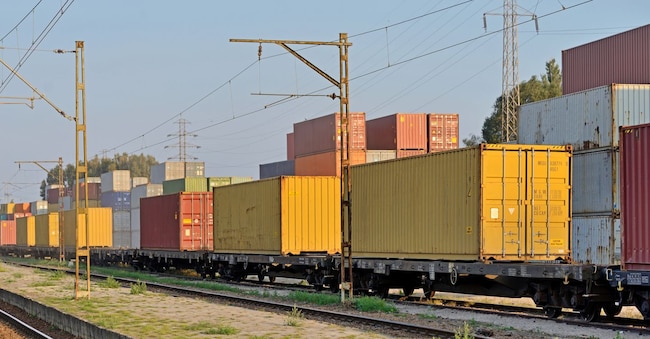
Construction site effect on rail freight transport. The two-year period from 2026 to 2027 promises to be complicated for a sector which has already suffered a contraction in traffic in 2025, with train-kilometres dropping to 49.4 million, i.e. -3.5% compared to 2024. Alpine crossings also recorded a drop in traffic of 5.2 per cent last year. In a European comparison, Italy's share of rail cargo remains far behind the EU average, at 11.6 per cent compared to 16.6 per cent. Exacerbating an already fragile balance is the international context, with the crisis in the Strait of Hormuz fuelling strong uncertainties on the energy front, raising fears of a new critical phase similar to that experienced in 2022. This is what the Fermerci annual report, which will be presented on Wednesday 20 May in Rome at the Cnel headquarters and which Il Sole 24 Ore is able to anticipate, says. Fermerci is the association that represents over 80% of the rail cargo companies active in Italia. But let's go in order.
The peak of the work
Figures for 2026 indicate a peak in line interruptions due to construction sites: 788 compared to 479 in 2025, with still significant effects in 2027 (697 line interruptions) and an improvement expected only from 2028 (271 interruptions), following the completion of several Pnrr interventions. A critical situation that translates into an advantage in favour of road transport, especially in cases where the reliability of the rail service is perceived as insufficient by logistics operators. For some years now, the railway system in Italia has been undergoing a profound infrastructural transformation and technological advancement, promoted by Pnrr investments. Rete ferroviaria italiana (Fs) estimates that around 1,300 railway construction sites are currently active in Italia. These are fundamental interventions to improve the network, through the opening of new lines and the upgrading of existing ones, increasing the capacity and efficiency of the system.
However, Fermerci notes, in the short term these works cause significant impacts on traffic, especially because they are concentrated at night, the hours favoured by goods trains. Operational limitations, route deviations and planned interruptions risk generating slowdowns, increased logistics costs and greater complexity in service planning. Fermerci adds: "In addition to this picture of complexity, one must also consider the potential extraordinary interventions, which cannot be planned in advance, and which could further worsen the situation.
The sector calls for support
Against this backdrop, the sector is still waiting for concrete answers on measures that are crucial for competitiveness, starting with the 'loco and wagons' decree, which has been at a standstill for two years now. And this despite the fact that the resources initially earmarked for the renewal of rolling stock have since been reduced to zero. This issue is all the more relevant in the light of the multiannual strategic document on rail mobility (Government Act No. 397), currently under parliamentary scrutiny, which recalls the importance of incentives and support for companies, including investments in rolling stock. Says Clemente Carta, president of Fermerci: 'Apart from recent regulatory interventions, incentives for rail manoeuvring in ports and a meagre allocation on Ferrobonus, adequate structural interventions are lacking. We call for rail logistics to be put back at the centre of the country's transport and industrial policies'.


