
Range extenders, are extended range electric cars the future?
More traditional manufacturers Renault and Volkswagen, but also premium manufacturers such as BMW and Jeep are studying how to convert their battery-powered models with extended range powertrains. Meanwhile, in China, sales of EREVs have doubled compared to even plug-ins.
Key points
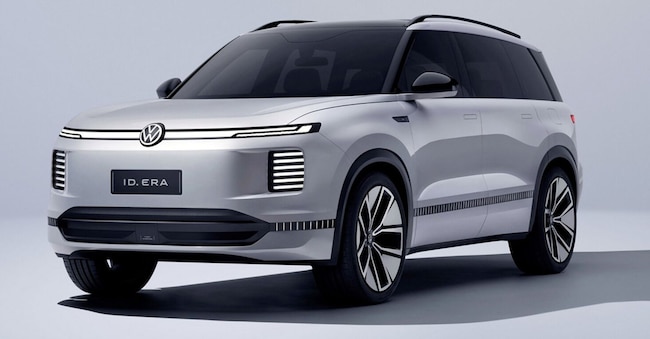
Electric vehicles with extended range could, in future, both reduce battery costs and be more manageable in use on long journeys. Volkswagen, not surprisingly, has been studying for some time how to introduce a type that Chinese brands are now adopting en masse. The Wolfsburg-based carmaker is, in fact, preparing a major five-year investment plan for an EV range exterder platform to be unveiled in March 2026.
US market interested in Range Externer
Vw's turnaround will initially focus on the US where the brand plans to launch new models such as the Scout Terra and the Traveler. Also in the US, the Stellantis Group is working to offer extended range variants for the Jeep Grand Wagoneer and the Ram 1500. The major advantage of the extenders is that they give the electrics a driving experience comparable to a thermal, but at an affordable cost since the engine works as a generator.
Smaller as well as cheaper batteries
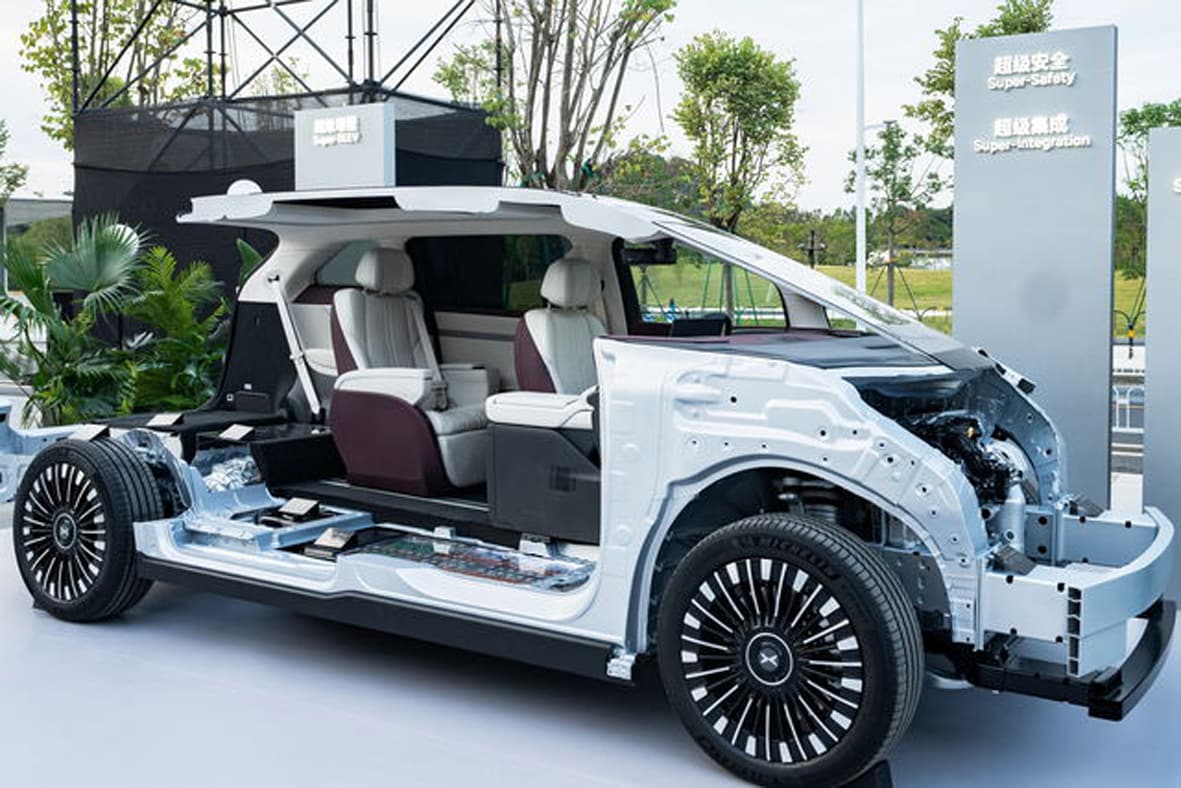
After all, extended-range cars use a much smaller and more economical battery pack, as the engine can act as a generator. Not to mention that the range of an extended-range powertrain exceeds 1,000 km. It remains to be seen whether the demand for these vehicles will make large-scale production sustainable. The fact that BMW is developing technologies to expand the range of its electric vehicles, however, speaks volumes.
In China, demand has doubled compared to plug-ins
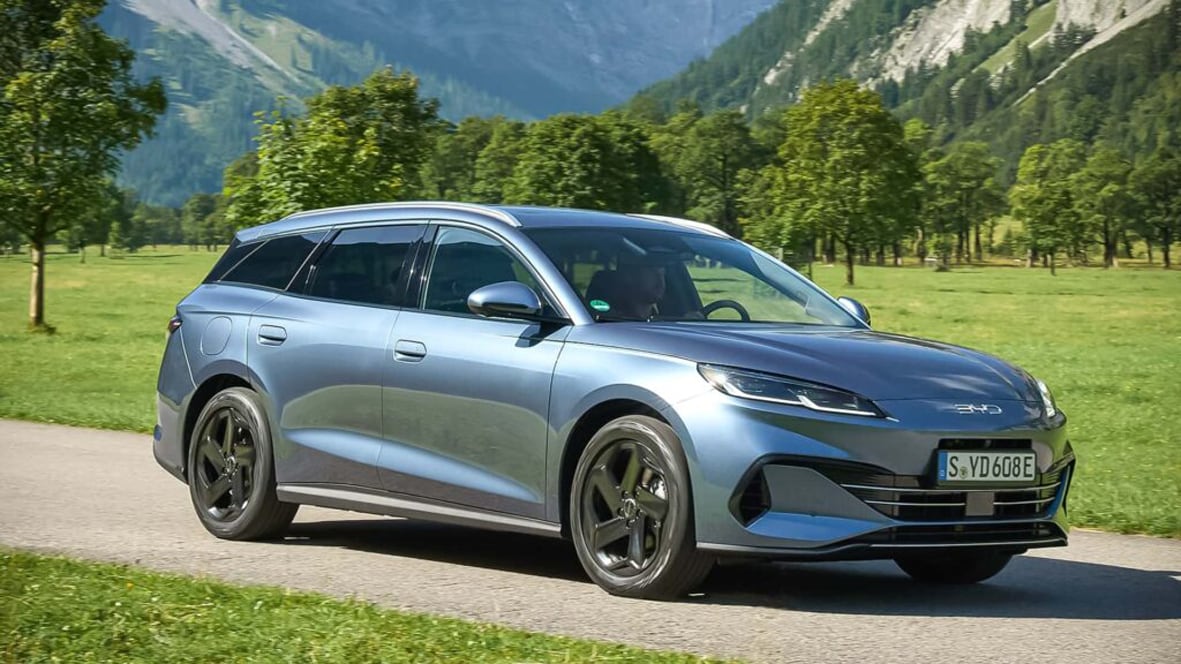
If in the first instance the destination of the BMW models is aimed at the Chinese market, it is not excluded that it could land in Europe. After all, demand in China is hard to ignore. Sales of range-extended SUVs have more than doubled and have even surpassed those of plug-in hybrids: Byd, Omoda, but also Xpeng the most active. Vw and Bmw in Europe are joined by Renault, which plans to introduce the new technology on all upcoming medium and large models.
In Europe the offer is predominantly from Chinese brands
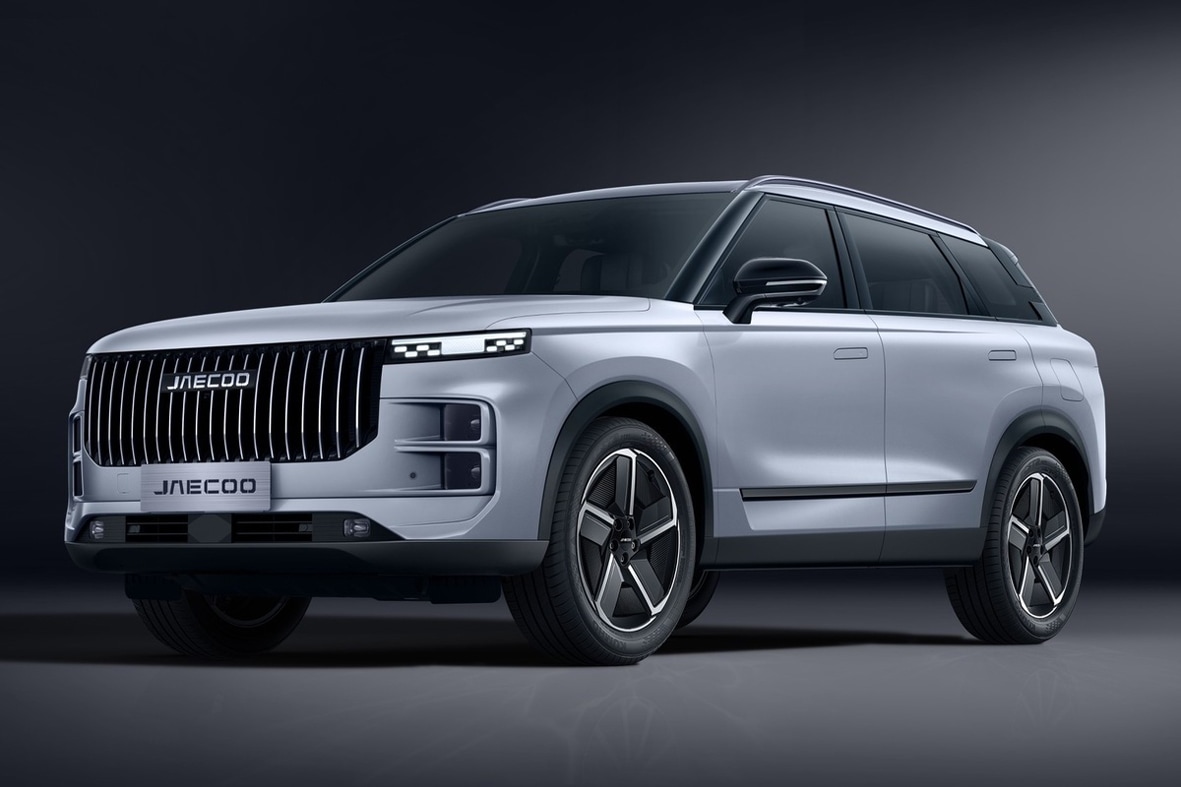
While in China the increase in range extensions is growing more and more thanks to solutions such as range extenders, in Europe the average for long-range electrics is increasing at a slower rate. Europeans, however, are not standing idly by. In the last three years, the range has risen from 430 to 563 km. After all, if the path indicated by Brussels is to offer small, low-budget city cars, one cannot aim for higher autonomies. Thus leaving the offer of new range extenders solely to Chinese brands.

