
Range Rover Electric, everything we know on the eve of the launch
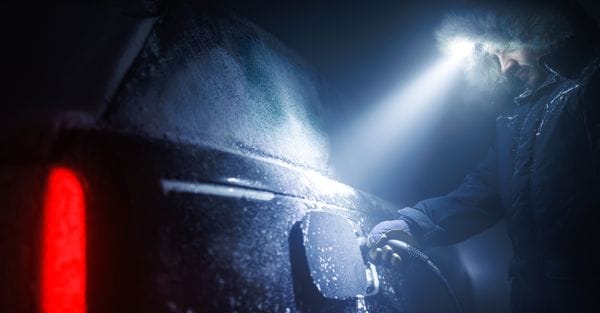
Images of the prototypes in final testing in temperatures from -40°C in the Arctic Circle to +50°C in the Middle East desert anticipate the release of the first ever quietest Range Rover in July. The electric Range Rover Velar will follow

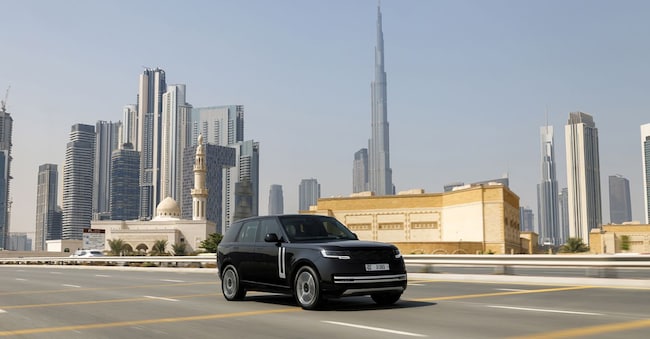
Range Rover Electric, not long now. The debut of the British brand's battery-powered flagship doesn't have an official date, but it's nearly there. All final tests have been completed starting with those in extreme temperatures from minus 40 below zero to the scorching 50 degrees. In addition, a prototype appeared at the Goodwood Festival of the Speed last summer. The launch is expected in the first half of this year or soon after in July, but as of now we can take stock not only of the technical information, but also of the dress of Her Majesty the first electric Range Rover.
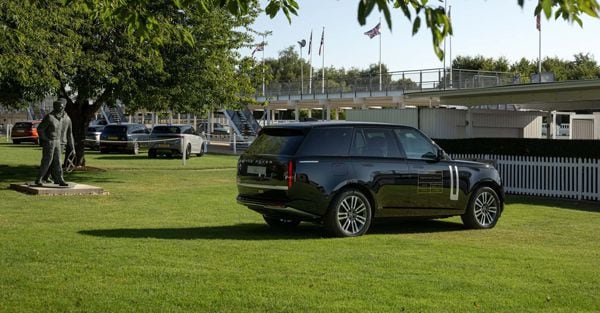
Exterior design faithful to the lineage and interior adapted to the needs of the electric
The modernist design language remains true to the Range Rover lineage and a no longer camouflaged exterior underscores the build quality of the final test prototypes themselves. Compared to the thermal variant, the design of the Electric is the same, as are all the details, except perhaps the filler flap. Only the battery located at the rear of the MLA (Modular Longitudinal Architecture) platform suggests that it is an electric. Even so it is on the inside, only the graphics and the instrument panel adapted to the needs of electrics change.
800 V platform and 540 hp power and 850 Nm torque powetrain
Moving on to the first technical information, it should be pointed out that the electric Range can count on an 800 V platform credited with a recharging power of 350 kW in direct current, 22 kw in alternating current, which allows 10 to 80% of energy to be recovered in about 20 munits. The powertrain provides a maximum power output of 540 hp and 850 Nm of torque, which is distributed over two permanent magnet motors to which an inverter with silicon carbon technology is added. The body is also 76 per cent aluminium and offers greater torsional rigidity than thermal.
The electric offers a management system that reduces energy consumption
And we come to the battery, the beating heart of the new electric Range. The overall capacity is 118 kWh based on 344 prismatic cells with an NMC chemistry that stands for nickel-manganese-cobalt. There is, on the other hand, no official information as yet on the car's range, but it is assumed that the battery-electric flagship can exceed 600 km. But the electric car also offers management software that can assess the environment with 300 settings and manage the 40 litres of coolant per minute.
Same potential in both road and off-road driving
As far as driving dynamics and off-road driving in particular are concerned, the British brand's engineers anticipated, at last year's Goodwood Festival, that the numbers are the same or almost the same as those attributed to the thermal version, starting with the ground clearance, which should be 22 cm even with the suspension in standard positions and, instead, 29 cm in extreme off-road driving conditions. Another detail revealed albeit unofficially is the weight of the battery-powered Range, which for an electric is crucial: for now it is estimated at under 2,800 kg.

