
Rare earths: Lynas hit by the Gulf War – sulphuric acid now four times as expensive
The Australian company, one of the very few non-Chinese suppliers of rare earths, has posted record profits, though these fell short of expectations due to rising production costs

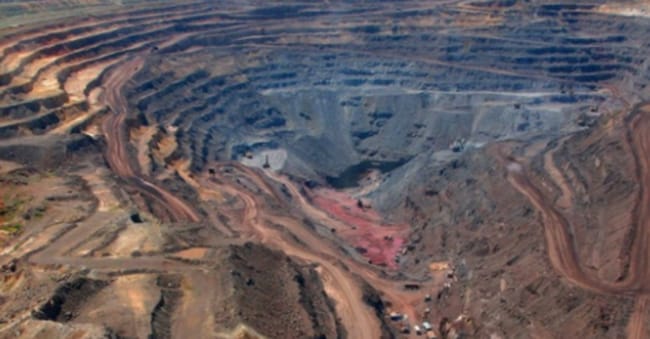
Rare earths are also being affected by the war in the Persian Gulf. This is highlighted by Lynas Rare Earths’ results, which have been weighed down by rising costs due, amongst other things, to record price rises for sulphuric acid: over the past year, the price has quadrupled, the Australian company reported during a conference call with analysts.
The collapse in shipping traffic through the Strait of Hormuz and the damage suffered by many facilities in the Persian Gulf, which were targeted by Iranian attacks, have drastically reduced the availability of sulphur: this region accounted for around half of global supplies, which are used in fertilisers but also in the production of an acid employed in many mineral extraction and metal refining processes.
In fact, rare earths are among the metals most at risk from a shortage of sulphuric acid, with 70 per cent of global production potentially affected, according to an analysis by Benchmark Minerals, compared with around 20 per cent for copper and nickel.
Lynas – one of the very few non-Chinese suppliers of rare-earth oxides – nevertheless posted record results: in the financial year ending 30 June, net profits rose to 222. 4 million Australian dollars (159.4 million US dollars), below analysts’ expectations – the Bloomberg consensus forecast was 263.2 million A$ – but almost thirty times higher than the 8 million recorded in the previous financial year. Revenue grew by 76 per cent to A$977.9 million.
In recent months, the group has commenced commercial production of neodymium-praseodymium and terbium oxides, becoming the first (in May 2025) to achieve the milestone of offering regular non-Chinese supplies of ‘heavy’ rare earths, which are the most sought-after, particularly in the defence industry. The average selling price achieved was A$80.7 per kg, an increase of 59 per cent compared with the 2024–25 financial year.


