
Real-time facial recognition: the rules in Italia
Consequently, with hindsight, the police officer will now have to seek the public prosecutor’s authorisation, unlike in the original wording, which did not require such a request

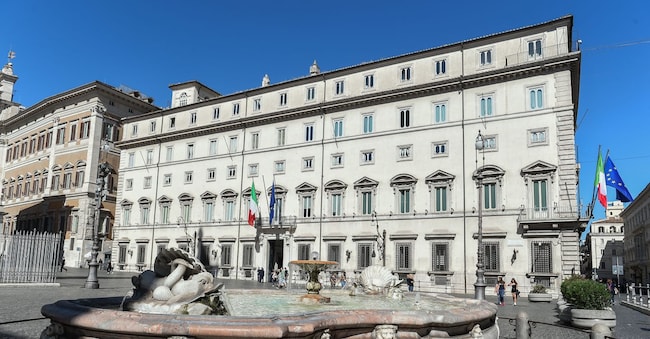
The scope of authorisations for ‘real-time’ facial recognition is changing. The request must be addressed to the public prosecutor and not, more generally, to a ‘magistrate’, as the Chamber of Deputies’ Committee on EU Policies had proposed yesterday.
This is one of the provisions set out in the draft legislative decree transposing the AI Act, the legislation that brings artificial intelligence into police investigations. Biometric identification, facial recognition, and databases built around people’s faces: this is the most sensitive aspect of the Italian transposition. The text is now under review by the Council of Ministers, following its preliminary approval on 10 June.
The provision set to undergo the most significant change is Article 10, which deals with ‘retrospective’ facial recognition ‘(…) for the purpose of combating crime’. Compared with the original wording, the judicial police officer will now have to seek authorisation from the public prosecutor ‘without delay and in any event no later than twenty-four hours after the system has been activated’.
The restrictions also cover the consequences of any failure to grant authorisation. If the deadlines are not met, ‘or in the event of authorisation being refused, the use of facial recognition technologies linked to the authorisation application shall be immediately suspended and all personal data, results and outputs acquired and produced shall be deleted, unless they constitute evidence of a criminal offence’.

