Stormy Peaks: a record-breaking first edition. Thoughts and reflections from late June
Brontë’s novel brings her the greatest honour a writer can receive; Lucio Battisti surprises with his paintings

Key points
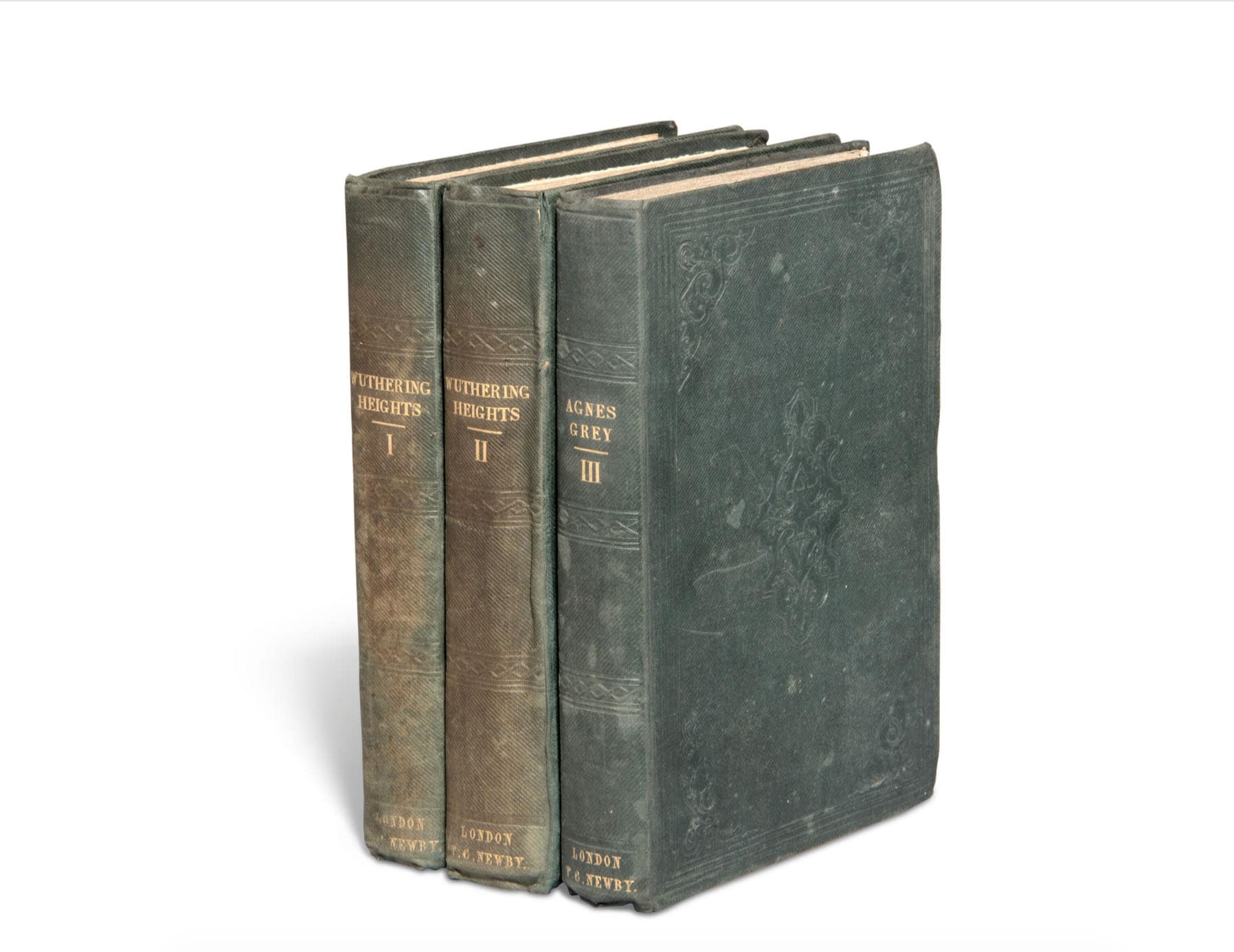
At 1,206,500 pounds, or if you prefer 1,399,540 euros, 1,592,580 dollars, a first edition of *Wuthering Heights* by Emily Brontë (1818–1848), which on 30 June 2026 earned its author the auction record for a female writer and for a literary work from the nineteenth century (unlike Emerald Fennell’s film – starring Margot Robbie and Jacob Elordi – which, by contrast, struggled at the box office). Published in 1847, a year before Brontë’s death, the three volumes are still preserved in their original publisher’s cloth binding and come from the very same historic house that housed them shortly after their publication. The auction house, Christie’s, has announced that no complete copy in its original cloth binding has appeared at auction since 1908.
Curiously, the lot was not part of a specific auction dedicated to book art and manuscripts, but rather to ‘The Exceptional Sale: Masterworks Across Cultures’, a mixed sale comprising 53 lots (total proceeds of £11,777.40, 11 unsold lots) categorised by type of object and cultural provenance; indeed, the evening’s top lot was an ancient Egyptian statue of a couple from the Fifth Dynasty, dating from 2,400–2,300 years ago (£3,710,000 realised). The record in the ‘Wuthering Heights’ catalogue, however, went to the second-placed lot. Also worth noting was the success of items that belonged to Winston Churchill, all of which were sold at excellent premiums, and a couple of delightful Fabergé pieces: a glittery bunny and a gold-plated silver tea set.
Why did *Wuthering Heights* break records?
It is one of the cult classics of world literature, long celebrated for its ‘unmistakable atmosphere’ and the ‘wild intensity of its characters’. Over the years, its Gothic spirit has permeated popular culture, becoming the subject of films, songs and even comedies. It is one of the most widely studied novels in the English-speaking world. Upon its publication, its uniqueness unsettled early reviewers, who compared it to the more conventional *Jane Eyre* by Emily Brontë’s elder sister, Charlotte. For the Pre-Raphaelite painter and poet Dante Gabriel Rossetti (1828–1882), this text centred on an obsessive love was “a devil of a book, an incredible monster”. For Virginia Woolf, it was the result of a “gigantic ambition”: that of contemplating “a world torn apart by immense disorder and […] piecing it back together in a book”.
The first print run of *Wuthering Heights* was probably just 250 copies. Of these, copies preserved in their original publisher’s binding are extremely rare, whilst those bound entirely in cloth are the rarest of all. Moreover, these copies were ‘full of misprints’, as Charlotte Brontë observed: for example, in the copy that has just been sold, the page number is incorrect.
In Italia, Lucio Battisti’s paintings (and lyrics) prove a hit at auction
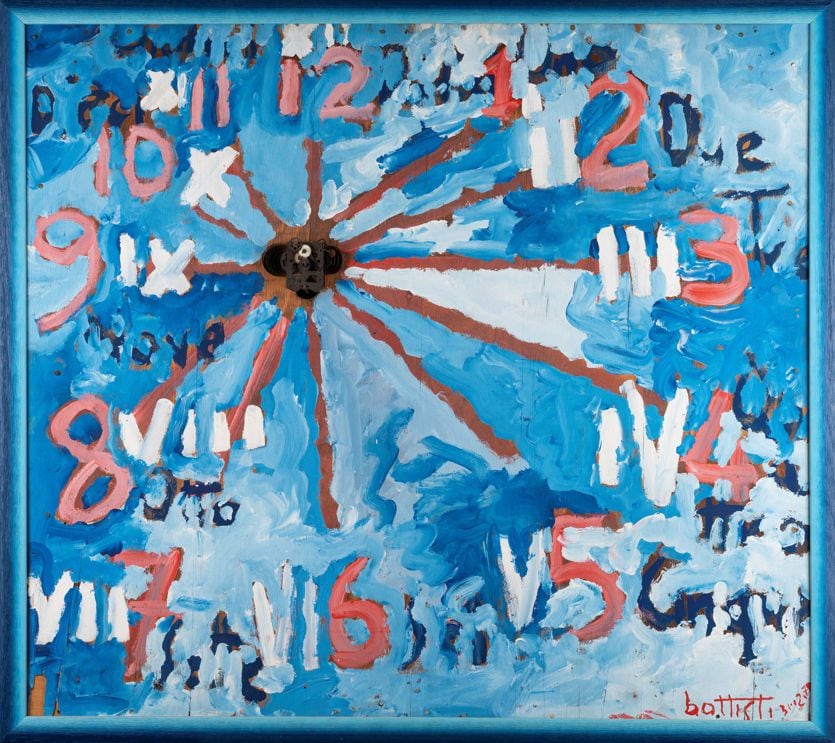
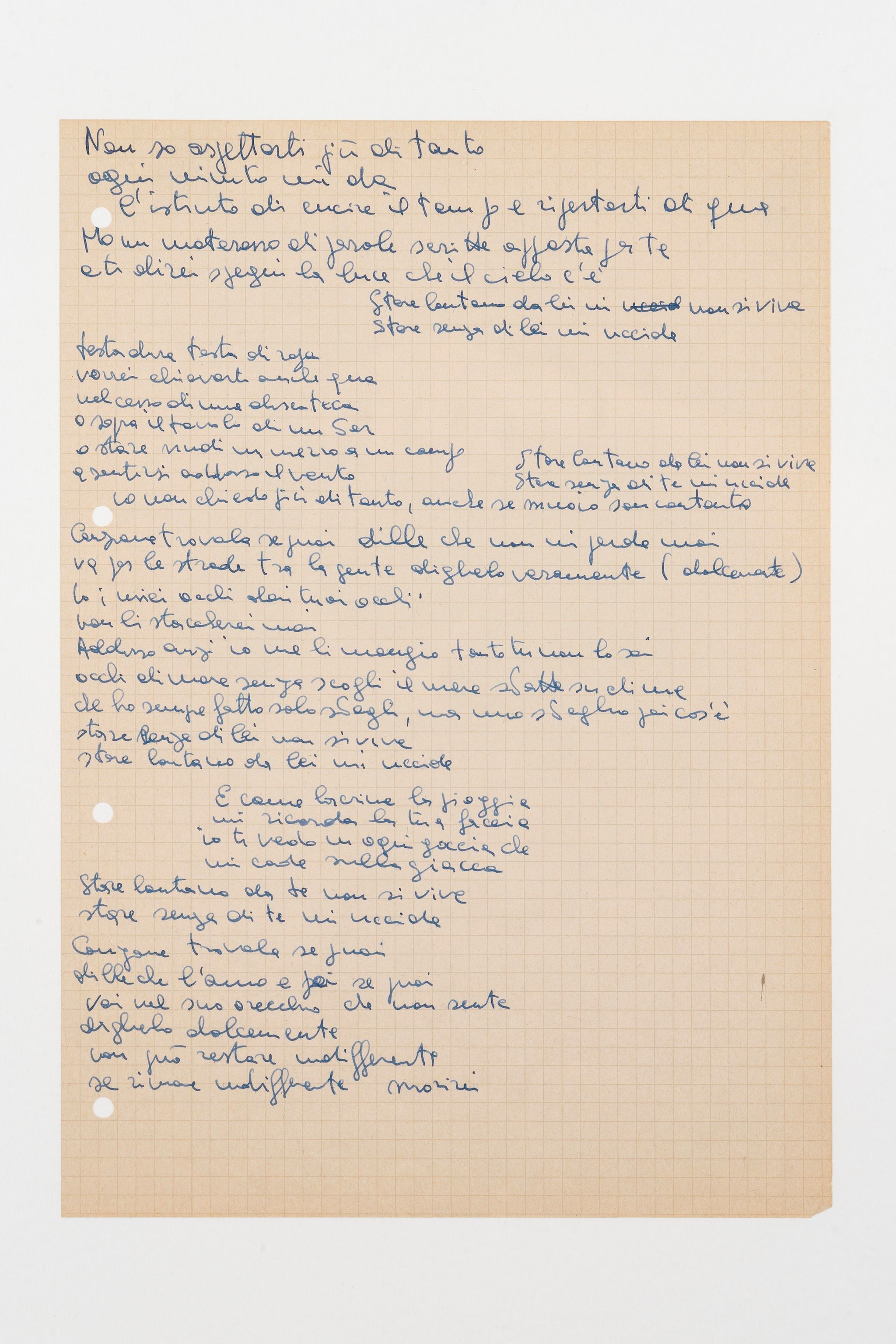
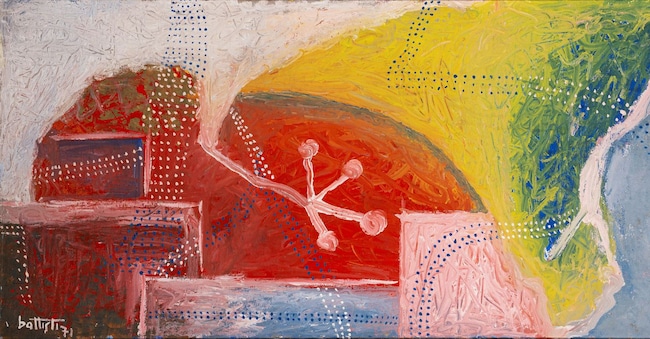
Well further south of the English Channel, other thoughts and other words took centre stage at the auction at Finarte’s memorabilia auction in Rome (26 June), raising a total of over 200,000 euros. The star of the session was Lucio Battisti, with letters he wrote to his mother in his youth: taken together, all the lots of letters fetched more than 35,000 euros. But what came as a surprise was Battisti’s secret artistic side – he was also a painter.