
Record diesel prices in the US: the price rises to $5.85, putting Trump in a tight spot
Fuel prices for transport and agriculture have risen by 58 per cent in a year: implications for the wider economy and the mid-term elections

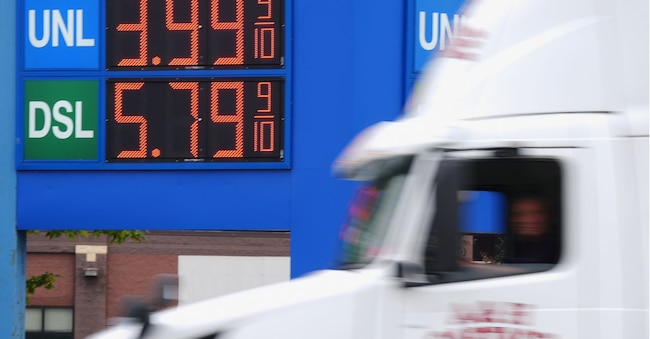
The average price of diesel in the United States has reached $5.85 per gallon: a new all-time high due to tensions with Iran and the blockade of oil tankers in the Strait of Hormuz, as well as the ongoing reduction in global supply from Russian refineries. Petrol prices have also risen again following the resumption of US air strikes on Iran, reaching an average of 4.15 dollars per gallon (approximately 3.8 litres) yesterday – the highest level ever recorded in the United States in September, according to official data from the AAA, the American Automobile Association.
For Americans, the regime in Tehran is just as far away as Vladimir Putin’s Russia, whilst rising fuel costs are an everyday reality: the price of diesel has risen by 58 per cent in a year, whilst that of petrol by 30 per cent, to the extent that it has seriously undermined Donald Trump’s popularity and greatly complicated the Republicans’ election campaign; in November’s mid-term elections, they risk losing their majority in the House of Representatives and perhaps even in the Senate.
Whilst petrol is a problem felt by households, the rise in the price of diesel has an impact on the entire economy. In the US, around three-quarters of the diesel consumed is used for road freight transport, and it is also essential for agriculture, powering much of the machinery used, particularly during the harvest season. This is also the case in key states for the upcoming elections, such as Iowa, Wisconsin and North Dakota. ‘I’ve put off buying diesel, hoping that prices would fall,’ says Randy Madden from his large farm in Iowa. “But now, with the harvest season approaching,” he explains with concern, “I’ll have to spend at least 40,000 dollars on fuel – double what I spent last year from September through to the end of the year.” The Department of Agriculture has stated that farmers’ incomes are set to fall by 2.5 per cent in real terms in 2026.
The difficulties facing the agricultural and transport sectors are set to have an impact on Americans’ spending, starting with food, thereby fuelling overall inflation. ““We are approaching the final stages of the election campaign with petrol prices at historically high levels, with no clear signs of improvement: and this is a major cause for concern amongst incumbent politicians, particularly Republicans,” says Neale Mahoney, professor of economics at Stanford University and a former adviser to Joe Biden’s administration.
“Petrol prices will fall, and oil prices will plummet like a rocket heading in the opposite direction as soon as we win the war with Iran,” Trump downplayed the situation in an interview with Fox News. However, his actions also suggest a certain degree of concern. In recent days, the President has met with the heads of the major oil companies, announced an unprecedented move regarding Venezuelan oil, and promised investigations into possible speculation by importers and the distribution network. But – according to experts – these measures are unlikely to have an immediate impact on consumer prices. Certainly not before the mid-term elections.


