
Rents, demand grows by 6% and steals shares from buying and selling. In Bologna rents up 8.9%, double the average

3' min read
Key points
3' min read
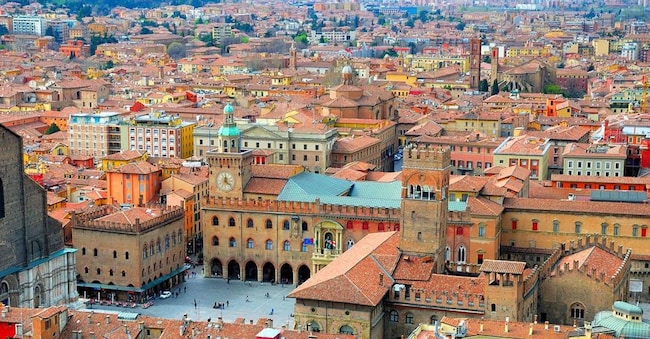
The rental market in Italy continues to grow, in contrast to the buying and selling market - from which it is taking away quotas - but information asymmetries and frictions between supply and demand are also on the rise, driving up costs and curbing the availability of property. This is the narrative that emerges from the Rent Observatory presented yesterday by Nomisma and Crif in Bologna, with a cross-section on the capital of Emilia (in collaboration with Confabitare), where the highest rise in rents is recorded among large cities (+8.9% in the second half of 2023 against an average of 3.8%), but also a housing availability and a picture of punctuality of payments that is not common in the rest of the country.
Upward trend from Covid onwards
"Our Observatory records potential rental applications, which have risen to 712 thousand nationwide in 2023, compared to 671 thousand new rental applications in 2022, a growth of over 6%. This is a figure that confirms the trend seen in recent years, before Covid there were just over 500,000 applications per year," explains Elena Molignoni, head of Real Estate and the Nomisma Real Estate Observatory. "The steady, progressive increase in rentals is dictated not only by the crisis and the soaring mortgage rates that have created greater difficulties in accessing the purchase market, but by changing living and working needs. Even those who would have the economic resources to buy property now prefer to rent it, a trend that began several years ago in European countries to which Italy is approaching, albeit belatedly'. So much so that in 2023 there was a 7.3% shift in demand for purchases towards rentals: 48 thousand households have given up buying a house in favour of renting.
Location by choice not by necessity
Hence the forecast that even in 2024 it will still be rents that will drive activity on the property market, despite the expected fall in interest rates, with rents tending to remain stable. Nomisma's survey of renters shows that only 42% of those who live in rented accommodation do so because of a lack of adequate financial resources to purchase a home, while on the renters' side, the main motivation for choosing to rent out their home is the possibility of supplementing their income with an income, particularly for those who own not one but two additional homes compared to their main residence.
Market blocked by mistrust, arrears and short rentals
The lower propensity to buy, however, clashes with two key issues. On the one hand, there is an 11% share of vacant properties (source: Agenzia delle Entrate), i.e. which are neither rented nor used in Italy and this makes the rental market not so much saturated as blocked. On the other hand, there is a strong increase in the short rental market, especially in tourist resorts, which is much more profitable for landlords and makes it even more difficult to find medium-long term rental housing solutions on the market: in Bologna, for example, the profitability of short rentals is 10%, twice as high as the rental on the free market (5%).
The reticence towards renting out residential property stems largely from negative experiences of arrears, deterioration of the property, difficulty in disposing of the property quickly in case of need, and a level of taxation now in line with that applied to capital gains from financial investments (especially if one does not opt for the agreed rent);

Brand connect


Newsletter RealEstate+
La newsletter premium dedicata al mondo del mercato immobiliare con inchieste esclusive, notizie, analisi ed approfondimenti
Abbonati