
A rice crisis? Producers are banking on an aromatic variety, the ‘Italian Basmati’
Confagricoltura’s project on Italian aromatic rice was unveiled in Risò, Vercelli – a wholly ‘made in Italia’ alternative to the widely consumed Basmati rice imported from India and Pakistan

When faced with a difficult situation – if not an outright crisis – innovation can be a good way forward. That must be what they thought at Confagricoltura, which on Saturday 12 September at Risò, the international rice fair in Vercelli, they will present their aromatic rice project.
Apollo versus Basmati
Italian aromatic rice is presented as an alternative to Basmati, which comes almost exclusively from Asia: India and Pakistan.
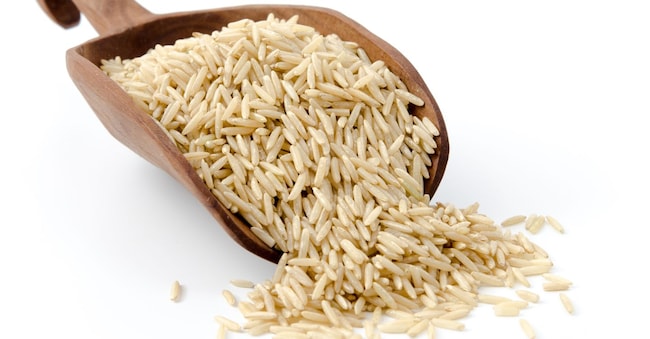
The most common variety of Italian aromatic rice is Apollo, a long-grain, crystal-clear rice very similar to Basmati , which was developed by crossing an Asian rice with an Italian variety. It is used in cooking in the same way as Basmati: for pilaf or steamed rice, in salads, or as a side dish with meat or fish.
The Italian rice sector is, in fact, going through a period of great difficulty, caught as it is between the challenge of climate change and drought (which has a particularly severe impact on a crop such as rice, which germinates and grows in water) and the challenges of international markets, with competition increasingly intense competition from producers in South-East Asia.
This latter challenge has, in recent years, seen Italian rice threatened by imports at reduced tariffs from countries such as Cambodia and Myanmar. These products are imported under preferential terms despite often being produced without any regard for labour regulations – and child labour in particular – and therefore already enjoy a competitive advantage over European produce.
The Path to Innovation
At Confagricoltura, they have decided to tackle these complex challenges through innovation. Indeed, a project was presented in Risò that focuses on aromatic rice and the potential to develop a dedicated national supply chain capable of capturing a market segment currently occupied by imported products.


