
Rice, long grain prices halved: blame zero tariffs
President of Ente Risi, Natalia Bobba: 'European policy is leading us towards an irreversible decline'

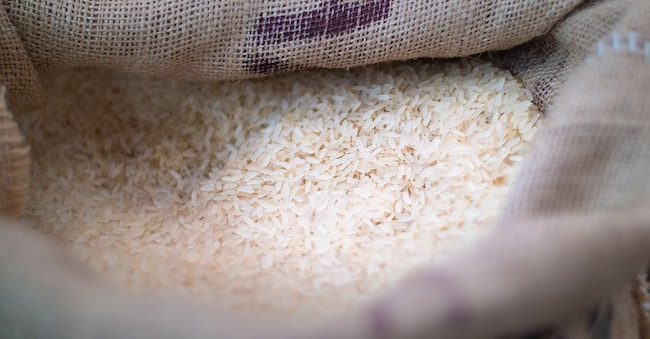
The latest piece in the perfect storm that is threatening the survival of European rice farming is the new price collapse. March opened with quotations below the psychological threshold of 300 euros per tonne for Indica and Lungo 'A', the varieties subject to competition from subsidised imports from South East Asia (which have grown by a further 10% since the beginning of the year) on which the sector is asking the EU for the urgent activation of a safeguard clause. One year ago they were worth 500 euros, two 600. On Friday 6 March, the Rice Board convened a meeting of all the associations of European producer countries (eight, Italy being the first with over 55% of the total) in view of the April vote in the European Parliament on thereform of the so-called Generalised System of Preferences, the tariff concessions that guarantee zero tariffs imports from less advanced countries including Cambodia and Myanmar, which have come to cover over half of purchases.
The proposal on the table envisages a quota three times higher than that deemed sustainable by the sector (565 against 200,000 tonnes) above which tariffs would be triggered. The aim, explains the director of the Board Roberto Magnaghi, is 'to raise awareness among parliamentarians from all the producing countries, which however also have different interests'. Rice is in fact only one part of the extensive recognition system and the last hope is to obtain an amendment from the Europarliament to modify the clause, also providing for a specific tariff for imported rice that is already packaged. "European policy is leading us towards an irreversible decline. We can no longer stand by and watch, it is time to act,' says the president of the Ente Risi, Natalia Bobba.
"The Generalised System of Preferences was created years ago to help less advanced countries but it has turned into unilateral import concessions that are damaging European production," explains Riccardo Preve, president of Ferm, the association of the European rice industry. The industry needs European supplies, otherwise we risk being dependent only on Asia'. Rice imported without tariffs is half the price of European rice and today there is every reason to repeat a crisis we have already seen, with sowings diverted to domestic varieties causing those prices to collapse as well, aggravated however by global overproduction, the devaluation of the dollar and the climate crisis.
'Even non-producing countries,' Preve adds, 'must become aware that self-sufficiency is a European and not just an Italia problem. In the current scenario we cannot afford to depend on imports. We talk about rare earth and technology, rightly so, and then we forget about food security: it is not a slogan but a strategic aspect in an increasingly unstable world'. Not to mention, denounce the producers, that in Cambodia and Myanmar the production conditions (social and environmental) are at the limit, and it is not certain that the facilities benefit the populations.

