
Richemont posts 20 per cent growth and drives the sector’s share prices
The Swiss group owns Cartier and many other high-end jewellery and watchmaking houses

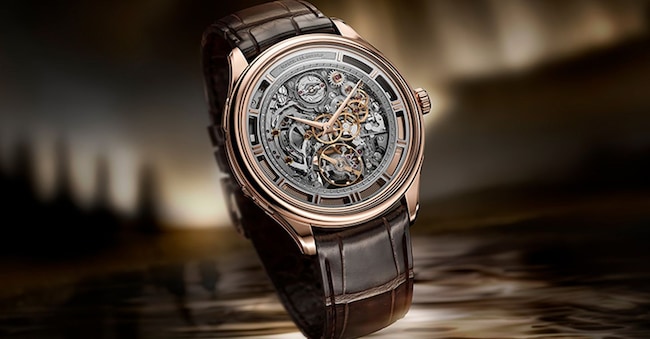
Positive – indeed, excellent – news from the world’s second-largest luxury group has sparked enthusiasm and driven up the prices of most shares in the sector. Setting aside the understandable ‘hunger’ for good news during these gloomy times, it remains to be seen whether yesterday’s surge will last. Richemont has announced some figures for the first fiscal quarter (April–June), and they are indeed excellent: revenue rose by 20 per cent (at constant exchange rates) and 17 per cent (at current exchange rates) to €6.33 billion, compared with the €5.87 billion forecast by analysts. Richemont’s net cash position also increased, rising from 7.4 to 9.1 billion – a very strong figure, even taking into account the 400 million from the sale of the group’s stake in Avolta (formerly Dufry), one of the world’s leading players in travel retail and catering at airports and railway stations. This disposal confirms the strategy of focusing on the core business of fine jewellery and watchmaking: Richemont’s portfolio includes Cartier, Van Cleef & Arpels, Panerai, IWC, Jaeger-LeCoultre and many other maisons. Whilst there have been divestments, such as Avolta and Net-a-Porter, acquisitions in recent years have been in the jewellery sector (Buccellati and Vhernier) and it is precisely this sector – and in particular the United States – that has driven first-quarter revenue, the group explained.
Medium-term investment
Fine watchmaking and fine jewellery are, by definition, luxury goods and are referred to in English as ‘hard luxury’ – a term we might perhaps begin to translate as ‘luxury that’s hard to shake off’. Compared with other high-end categories, the most valuable jewellery and watches are regarded as an investment, as demonstrated by the excellent figures from auctions and the pre-owned market (see also the Watch Report published yesterday in *Il Sole 24 Ore*).
Resistance to the test of time
They are an investment both because of the materials they are made from – gemstones and precious metals – and because, compared to any other luxury category, particularly clothing and accessories, they withstand the ‘physical’ wear and tear of time. For clothes and handbags, this applies only to a very small number of historic brands (first and foremost Chanel and Hermès) and to a very limited range of handbags and garments, because the wear and tear on a leather garment or accessory is undeniable and irrefutable, unlike in the case of jewellery and watches (which, it must be said, do require a little more care and attention – as collectors and enthusiasts know – because they are, first and foremost, small yet magnificent masterpieces of artisanal mechanics).
A ‘lesson’ for the fashion world
The only thing that might wear out in ‘hard luxury’ is style, but in matters of taste everything is cyclical, and what goes out of fashion sooner or later comes back into fashion. There is another point that fashion brands, too, might do well to consider, in light of many customers’ disaffection with luxury goods – particularly, as it was termed in the pre-Covid era, ‘accessible’ luxury. The price of jewellery and watches appears to correspond to their value much more closely than that of clothing and accessories, according to sales data from Richemont, as well as other brands, as highlighted in recent reports such as those by Bain-Altagamma, McKinsey-Camera Moda and Boston Consulting Group-Altagamma. Last but not least, the importance of the US market must be emphasised; it has always been the leading market for luxury goods and was only briefly overtaken by the Chinese market. The wealth and liquidity available to a segment of the American population continues to grow, driven in particular by stock market performance. These consumers, by definition, have diversified and ‘successful’ investment portfolios – whether short- or long-term – and know what they are doing.
© ALL RIGHTS RESERVED


