
Reducing demand and cooling prices: the EU recipe against high energy prices
Facilitations are being worked on both on the state aid front and on the side of long-term contracts in the wholesale purchase of electricity. Only two countries, presumably Italia and Greece, have suggested suspending the Stability Pact
from our correspondent Beda Romano
 Aggiungi Il Sole 24 Ore
ai preferiti su Google
BRUSSELS - There is full awareness at EU summits that the economic crisis caused by the US and Israeli attack on Iran could prove to be severe and lasting. At the same time, there is the desire, shared by many member states, to avoid a new drift in public accounts as well as to jeopardise the environmental choice to focus on renewables and the energy transition. The synthesis is particularly delicate.
According to the latest figures available, in the first thirty days of the conflict, the price of oil rose by 60%, the price of gas by 70%. There are, as yet, no supply fears, but it is clear that Europe is suffering from rising prices. The situation is different from country to country. The Italia case is particular. Despite the warning of 2022, in the wake of the Russian invasion of Ukraine, Italy continues to depend on hydrocarbons for electricity production.
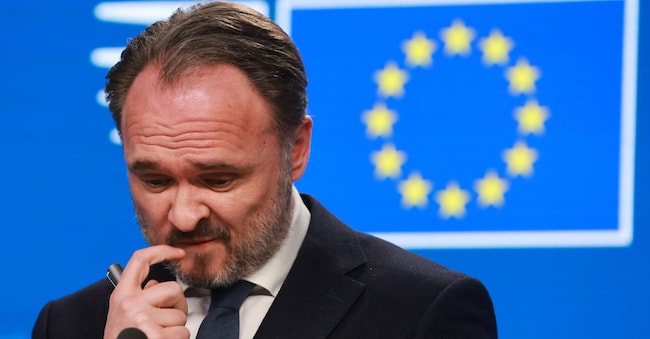
In this context, Energy Commissioner Dan Jørgensen addressed the member states in recent days: 'It is extremely important that we act cohesively and in close coordination with each other. We absolutely must avoid fragmented national responses and destabilising signals to the market. Our measures must be targeted, they must be temporary and they must avoid aggravating supply and demand conditions".
Cooling prices
According to information gathered here in Brussels, the European Commission is working on a panoply of measures and suggestions, with two objectives: to cool prices and reduce demand. The measures should include facilitations both on the state aid side and on the side of long-term contracts in the wholesale purchase of electricity. Brussels also wants to modernise electricity grids, which today are often unable to absorb some of the energy produced by renewables.


