Rina and Project Hydra, clean steel trial starts in 2026

The progress of Hydra, the new Open Innovation Hub in Rome and the development of AI technologies in industrial sectors. These were the main topics touched upon in the meeting with the top management of Rina Consulting, the engineering consultancy company of the RINA Group.
In particular, Hydra, a European research and innovation project coordinated by Rina itself in its Materials Development Centre (CMSM) in Castel Romano to contribute to the decarbonisation of the 'hard' sectors
to abate', with a specific focus on the steel industry, will take the form of the design and construction of a 'mini-steel plant' that aims to experiment with hydrogen at every stage of the steel production cycle. The facility will consist of a plant for the direct reduction of iron ore (Dri) through the use of hydrogen as a reducing agent and an electric furnace. The pilot plant will make it possible to study and develop innovative operating practices, available to Italian and European steelmakers, to support their path to production decarbonisation. The estimated investment is about EUR 110 million, thanks to Pnrr funding and the support of the Ministry of Enterprise and Made in Italy. The Hydra pilot plant will come into operation in mid-2026.
Più in generale, come raccontato dall’ad di Rina Consulting, Michele Budetta, il Csm si occupa di trasformare idee innovative in soluzioni tecnologiche da applicare poi su scala industriale. Il Centro è partito storicamente dallo studio dell’acciaio per allargarsi via via ad altri settori quali energia, infrastrutture di mobilità, scienza dei materiali, Aerospazio e Difesa. Quando nacque nel 1861, e per più di un secolo, il glorioso Rina (Registro Italiano Navale) aveva un compito quasi notarile: certificare che le navi che solcavano il Mediterraneo fossero sicure, solide, degne di fiducia e Genova, culla di mare e cantieri, era il luogo naturale per un organismo di questo tipo. La svolta arriva nei primi anni Novanta, quando il vento delle liberalizzazioni arriva anche in Italia. Le riforme volute da Pier Luigi Bersani, allora ministro dell’Industria, aprono alla concorrenza una serie di mercati fino a quel momento protetti o gestiti da enti pubblici. Tra questi, il delicato settore delle certifica
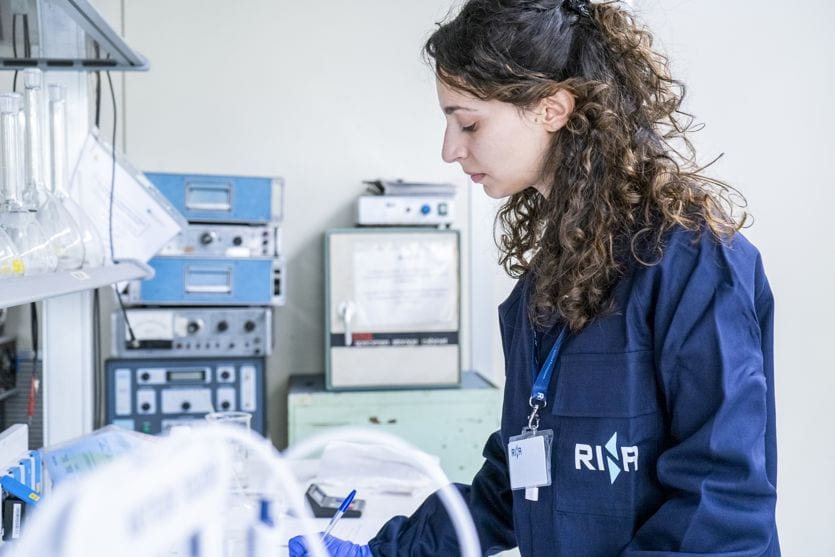
For Rina it is a great opportunity for diversification: its experience in inspections and audits can be transferred to manufacturing, energy and food companies. Suddenly there are no longer just ships to be certified, but also factories, production lines, industrial plants, bridges, tunnels, wind turbines, satellites and even digital networks and sensitive infrastructures. From the year two thousand onwards a season of acquisitions began that allowed it to build new competencies, including expansion into advanced materials testing. Today Rina is a pocket-sized multinational with a turnover of one billion euros, investing around 100 million a year in research and innovation, and is present wherever there is a need to certify, test, validate or design something that must stand the test of time.