Heating season

Heating: radiators to be switched on from 15 November in the Rome and Naples climate zones – what you need to know

The go-ahead has also been given in Bari, Lecce, Cagliari and Catanzaro. The heating season is getting underway in the capital, which had postponed the start date from 1 to 15 November by means of an order

4' min read

Translated by AI
Versione italiana

4' min read

Translated by AI
Versione italiana

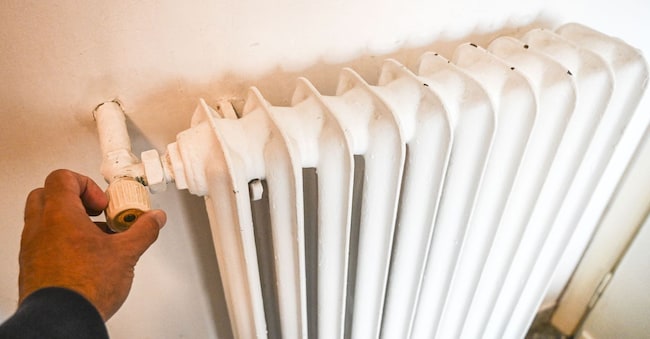
From today, the heating is being switched on in towns and cities in climate zone C, including, amongst others, Naples, Bari, Lecce, Cagliari and Catanzaro. The go-ahead also applies to Rome, despite it being part of climate zone D (where the heating season begins on 1 November), due to the postponement of the switch-on date ordered by the local council.

Climate zone C

The start date of the heating season depends on the climate zone to which each municipality belongs. A decree from 1993 divided the country into six zones, from A to F. A subsequent measure, dating from 2013, sets out when heating may be switched on in the various zones and for how many hours a day it may remain on. The classification was decided on the basis of degree-days (DD), a measure that quantifies how cold a municipality’s climate is during the heating season. As regards buildings used for industrial, craft and similar activities, the law stipulates that whilst the winter heating system is in operation, the weighted average air temperature must not exceed 18 degrees. A tolerance of two degrees is allowed. In all other buildings, the maximum limit is 20 degrees, again with a tolerance of two degrees.

Loading...

On 15 November, it will be the turn of the towns and cities in Zone C, which mainly comprises municipalities in the south of the country. This zone covers urban centres with a GG figure of more than 900 but not exceeding 1,400. Here, unless otherwise ordered by the local authorities, heating systems will remain on from 15 November to 31 March, with a limit of ten hours’ operation per day. In addition to the municipalities already mentioned, Zone C also includes Cosenza, Brindisi, Taranto, Benevento, Caserta, Salerno, Oristano, Sassari, Ragusa, Latina and Imperia.

The capital

In Rome, the heating season was due to begin on 1 November, as the capital falls within climate zone D. However, a municipal order dated 29 October postponed the date for switching on the radiators to 15 November due to the still relatively mild temperatures.

The heating may remain on until 8 April 2027, for a maximum of 11 hours a day (rather than 12, as stipulated for category D). The local authority has also set the air temperature at 17 degrees (plus a two-degree tolerance) for buildings used for industrial, craft and similar activities, and at 19 degrees (plus a two-degree tolerance) for all other buildings.

Cities where the heating is already on

In much of the country, the heating is already on. In the final zone, Zone F, where towns have more than three thousand degree-days, there are no restrictions on the period or times of use, and radiators may remain on throughout the year. This category includes numerous mountain towns such as Cortina d’Ampezzo, Pieve di Cadore, Bormio, Sestriere and Bardonecchia.

Radiators, on the other hand, have been switched on since 15 October in towns and cities in Zone E, which includes several towns in northern Italia, such as Milan, Bergamo, Brescia, Turin, Novara, Padua, Venice, Verona, Bolzano, all the provincial capitals of Emilia-Romagna, as well as Campobasso, Potenza and Enna. However, the mild temperatures – higher than the seasonal average – have prompted some local authorities to delay switching them on. Turin has postponed the date from 15 to 19 October, Brescia and Bergamo to 22 October, whilst Milan issued an order on 9 October permitting the lights to be switched on from 15 to 30 October for a maximum of eight hours a day, between 5 am and 11 pm.

Emilia-Romagna had initially decided to postpone the start of the heating season from 15 October to 1 November, with a view to reducing emissions. Some local authorities, however, have decided to make an exception and bring the start forward by a few days. The City of Bologna has authorised the optional use of heating systems in all types of buildings from 27 October, whilst urging residents to limit their use to the coldest hours, up to a maximum of 7 hours per day between 5.00 am and 11.00 pm. Modena, Reggio Emilia and Parma have also issued instructions to switch on radiators from 27 October, whilst Piacenza has brought the date forward to 24 October. In response to the drop in temperatures, in Genoa – part of Zone D – on the orders of Mayor Silvia Salis, the exceptional use of heating systems has been authorised from Wednesday 28 October (rather than from 1 November) for a period of four days and for up to a maximum of six hours per day. In Florence (also part of Zone D), however, the go-ahead was given on 1 November.

The next towns to switch on their radiators

Only the towns in zones B and A are now left to be included. Radiators will be switched on from 1 December in zone B, which comprises municipalities with a number of ‘GG’ greater than 600 and not exceeding 900. The deadline for switching them off is 31 March. Heating may remain on for eight hours a day. This group includes municipalities in southern Italia such as Palermo, Catania, Syracuse, Agrigento, Messina and Reggio Calabria.

Finally, Zone A comprises the warmest municipalities, namely those with a degree-day total not exceeding 600, such as Lampedusa, Linosa and Porto Empedocle, all of which are situated in Sicily. In this zone, heating may only be switched on from 1 December until 15 March, for a maximum of six hours a day.

Copyright reserved ©
Loading...
Loading...

Brand connect

Loading...

Newsletter

Notizie e approfondimenti sugli avvenimenti politici, economici e finanziari.

Iscriviti