
Risks and opportunities in Eastern Europe between defence and energy
Cyber attacks and oil weigh on stocks, integration with the EU acts as a shield. Smaller stock exchanges are the most vulnerable

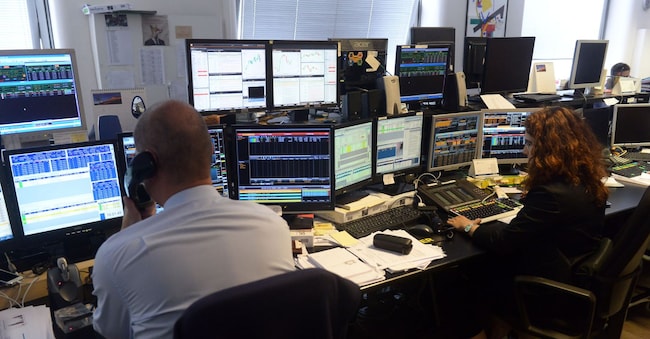
The Eastern European stock exchange index has gained more than 2% since the beginning of the year, against an almost mirror-image decline in the index of global equities. The Old Continent's emerging stock markets, in fact, enjoyed the prospect of recovery after the heavy blows of the pandemic and the Russian invasion in Ukraine. Since the US-Israeli attack on Iran on 27 February, however, the scenario has darkened again and fears of a crisis have re-emerged.
The risks
"There are risks on several fronts," explains Michele Mattioda, Investor Relations Management Director at Mk Global Kapital. "The closure of the Strait of Hormuz blocks twenty million barrels a day, makes the International Energy Agency's maxi-release of barrels worthless, and pushes Brent crude prices up, with inflation skyrocketing. Then, there are the cyber-attacks from the Ukrainian conflict and government deficits inflated by defence costs'. Mattioda also highlights the psychological factor generated by a mix of populism and the threat of US-EU tariffs, which could lead to 10-20% falls in these financial markets.
"An escalation of the war in Ukraine," adds Chiara Robba, head of Ldi Equity at Generali Asset Management, "could cause an increase in the risk premium and a reduction in the valuations of these markets, as well as an outflow of capital. Moreover, emerging markets suffer the most from the negative correlation with the dollar and global risk aversion'.
The most exposed countries
Geopolitical risk certainly depends on the physical proximity to war, but also on the economy and political stability of individual nations. 'The Eastern European stock exchange most exposed to geopolitical risks,' says Robba, 'is that of Poland, which is on the border with Ukraine and is a NATO country. But the Polish market is quite liquid, it has a high exposure to defence, energy and banks with regional activities. An escalation, on the other hand, could generate profit-taking after the good performance in 2025, supported by growth that was among the best in Europe'.
The experts identify higher risks for smaller, less liquid markets that are dependent on foreign capital. Mattioda believes that the Baltic stock markets of Tallinn, Riga and Vilnius are among the most vulnerable due to their proximity to Russia and threats of cyber attacks triggered by the conflict in Ukraine. The rating agency S&P has lowered its ratings on these countries and Fitch predicts a negative scenario for Eastern Europe, even as defence spending rises to 3-4% of GDP, despite the energy crisis.


