
Two-speed robots: export OK, domestic market collapses
Delays in decrees on new bonuses weigh heavily. Rosa (Ucimu): 'Customers waiting, back to the frustrating experience of Transition 5.0'

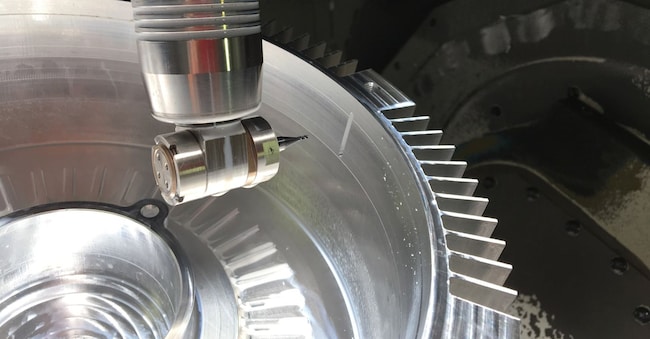
An expected fall, punctually verified in numbers. In fact, orders for machine tools in the first three months of the year fell by almost 30 points, making clear the stalemate situation repeatedly reported by companies. A stalemate induced by the continuing fog on the new incentives to invest.
Months after the launch of the Budget Law, in fact, the implementing rules for the new 5.0 bonus are still missing, in the absence of which many corporate customers, in order not to risk false steps (even though the rules are formally valid from January 2026), have preferred to freeze orders, stopping investments. This is a repetition of the script already seen for Transition 5.0, a tax relief measure announced at the end of 2023 by the government but only made operational through the Gse portal at the end of the summer of the following year, thus tying up the domestic market for a long time.
'How is it possible,' comments Ucimu president Riccardo Rosa, 'to be in the same situation as in 2025, hanging on to the continuous announcements and retractions of our government authorities? The way it was conceived, hyper-amortisation should support innovation in our industry, but instead it forces companies to wait. Suspended between an implementing decree and a directorial one, it effectively freezes negotiations, which are also numerous at the moment. In short, the will to invest on the part of Italian users is there but nothing will move until all the technicalities of the measure are communicated'.
The advantage, compared to the past, is the stabilisation of the rule, operational until 2028. A choice,' explains Ucimu, which is very much welcomed, but which is countered by frustration at the current impasse.
'This wait,' adds Rosa, 'which will in fact continue for a good first part of 2026, has brought us right back to the truly frustrating experience of 5.0. The point is that the manufacturing world, as Confindustria president Emanuele Orsini has already had occasion to state, is not only concerned about the geopolitical context, but is also discouraged by the slowness with which representatives of government institutions, both on a national and European basis, are moving'.


