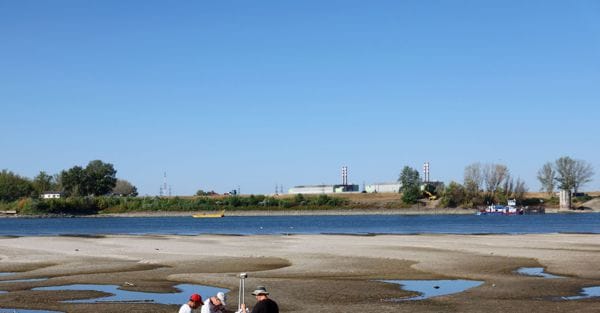
Romania begins the process of closing the nuclear power station due to the low water level of the Danube
The Danube’s critical water level is preventing the nuclear power stations from operating

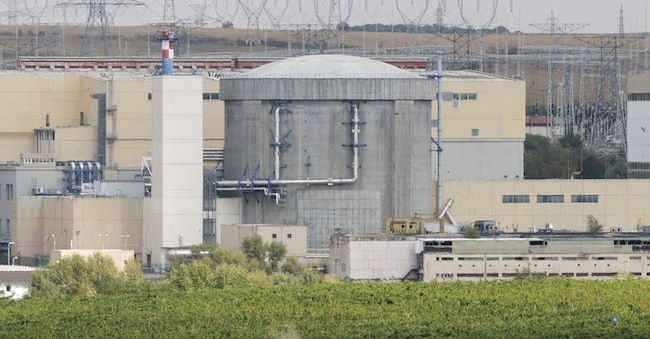
Romania has begun the complete shutdown of its only nuclear power station after the water level of the Danube, which is used to cool the plant, reached an all-time low, according to the national nuclear energy company.
Nuclearelectrica had already shut down one of the two reactors at the Cernavoda power station last month, and the second reactor also had to be shut down “due to the significant and ongoing drop in the water level of the River Danube”, according to a statement.
On 3 August, Romania diverted the course of the Danube to save a nuclear power station
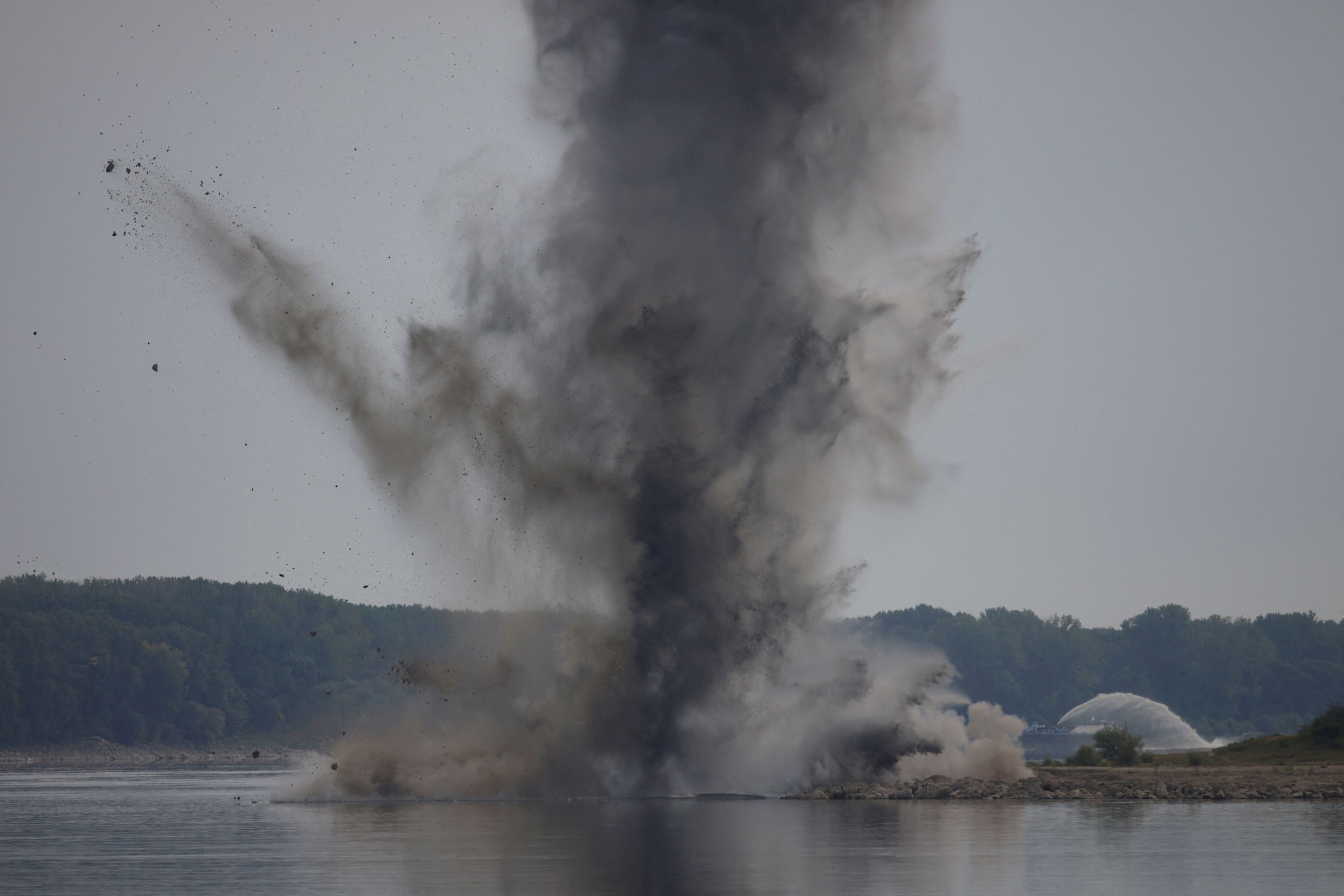
The Romanian army has taken unprecedented measures to increase the flow of water to the country’s only nuclear power station, by blowing up a rock formation in the Danube on 3 August 2026. The army used 180 kilograms of explosives in a controlled blast to remove a rock that was narrowing a branch of the river, acting Defence Minister Radu Miruta told reporters. The aim was to redirect the water into the main channel feeding the plant to prevent the remaining reactor from shutting down. To no avail.
The Black Sea country had already shut down one of its two reactors at the Cernavoda power station because low water levels in the Danube caused by the drought were preventing the equipment from being adequately cooled.
The drop in energy production has prompted the government to ask businesses and the public to reduce their consumption: the country’s two largest car manufacturers, Dacia and Ford Otosan, part of Renault SA, have already suspended production until the end of August, said acting Prime Minister Ilie Bolojan.