
Romania, TikTok under indictment for election manipulation
European Commission investigates TikTok for its alleged responsibility in spreading disinformation during the Romanian elections
by Silvia Martelli (Il Sole 24 Ore) and Petr Jedlicka (Denik Referendum, Romania)
 Aggiungi Il Sole 24 Ore
ai preferiti su Google
3' min read
3' min read
Brussels threatened to open an investigation into TikTok for the social media's alleged failure to prevent the dissemination of disinformation and unauthorised campaigning during last week's Romanian elections, in violation of the European Digital Services Regulation.
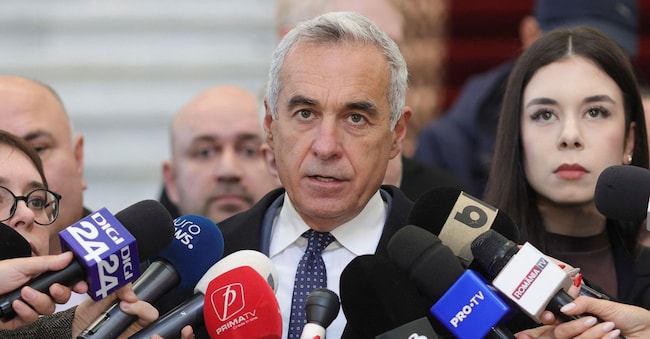
The European Commission said on Wednesday that Romania's national media watchdog had requested an official investigation into TikTok by the Brussels-based regulator, after a far-right candidate, Călin Georgescu, who had gone viral on the Chinese platform, unexpectedly won the first round of Sunday's presidential vote. The Romanian complaint alleges that TikTok's algorithms 'amplified' Georgescu's content to the detriment of other candidates.
Companies that violate the Digital Services Regulation risk penalties of up to 6 per cent of their annual global turnover. TikTok, owned by ByteDance, had an annual turnover of USD 110 billion in 2023.
The preferential treatment of Tik Tok
.On 28 November, a meeting of the Supreme National Defence Council (CSAT) took place in Romania, chaired by the President of Romania, Klaus Iohannis. During the meeting, representatives of the authorities responsible for defence, public order, and national security presented assessments of the possible risks to national security from the actions of state and non-state cyber actors, which have affected certain IT&C infrastructures supporting the electoral process. The Supreme National Defence Council has no direct competence in the conduct of the electoral process, but if elements emerge that may compromise national security, it has a duty to meet and analyse these issues.
According to the documents presented, the Council members noted the existence of cyber attacks aimed at influencing the fairness of the electoral process. It was also confirmed that, in the current regional security context and, in particular, in the election context, Romania, along with other states on NATO's eastern flank, has become a priority target of hostile actions by state and non-state actors. Among these, the Russian Federation stands out for its growing interest in attempting to influence the public agenda of Romanian society and social cohesion.

