
Rosina: more investment to tackle denatality

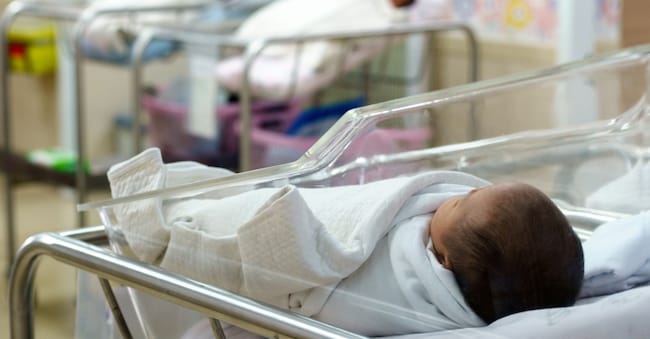
It is a mistake to look at Italy only as the country where life is prolonged and where the elderly or the ultra-elderly are increasing; it is naive to imagine Italy as the country of eternal youth. It is naive and profoundly wrong. Because ours is actually the country where there are no more young people. This is the real demographic picture of Italy, a place where the final period of life is prolonged, often characterised by the impossibility of remaining self-sufficient and autonomous, and where children are no longer being born. Where the number of newborns has now dropped dramatically below 400,000, resulting in a net, progressive and constant loss of inhabitants. A decline that began in 2014 and has never ended.
This is recalled with his usual lucidity and competence by Alessandro Rosina in his La scomparsa dei giovani. Le 10 mappe che spiegano il declino demografico dell'Italia.
Degiovanization is the key word. It means that the normal turnover between age groups has stopped and that Italy is losing the new generations and with them the drive for growth, risk, confidence in the future, the desire to take a chance as individuals and as a people.
Rosina's contrast between the Italy of the boom and the Italy of today is interesting. At that time, the record number of newborns was coupled with a country that was growing and beginning to create infrastructures for mobility, which saw a passionate and vast participation in voting and, at the same time, a sensitive desire to enjoy culture (full cinemas and theatres) and worship (packed churches). An Italy full of the desire to react and to be excited, with a record number of new births and marriages, with factories in full expansion.
Today, Italy is a country of fewer and fewer families and empty cradles (even of children of immigrants), of marriages reduced to a trickle, of half-empty churches, of young people fleeing abroad, of inland areas that are depopulating and the territory is reverting to ancient barbarism. Italy is the State where welfare is continually wrong-footed because care for the elderly is increasingly expensive and there are no resources, neither for health care nor for future pensions.


